“I’m not sure karate is the right fit.”
Choosing an activity for your child can involve more thought than you expected. You might be comparing karate with soccer, swimming, gymnastics, dance, or music lessons, while wondering which one your child will actually enjoy. Alongside the practical questions about schedules and costs, there is a more personal concern: will this be somewhere your child feels comfortable, learns something worthwhile, and wants to return?
There isn’t one activity that suits every child. Some children love the energy of a team game, while others enjoy practicing an individual skill within a group. Their interests also change as they grow, so an activity that didn’t appeal to them a year ago may feel different now. Understanding what interests your child and how they respond to a learning environment can help you make a more informed decision.
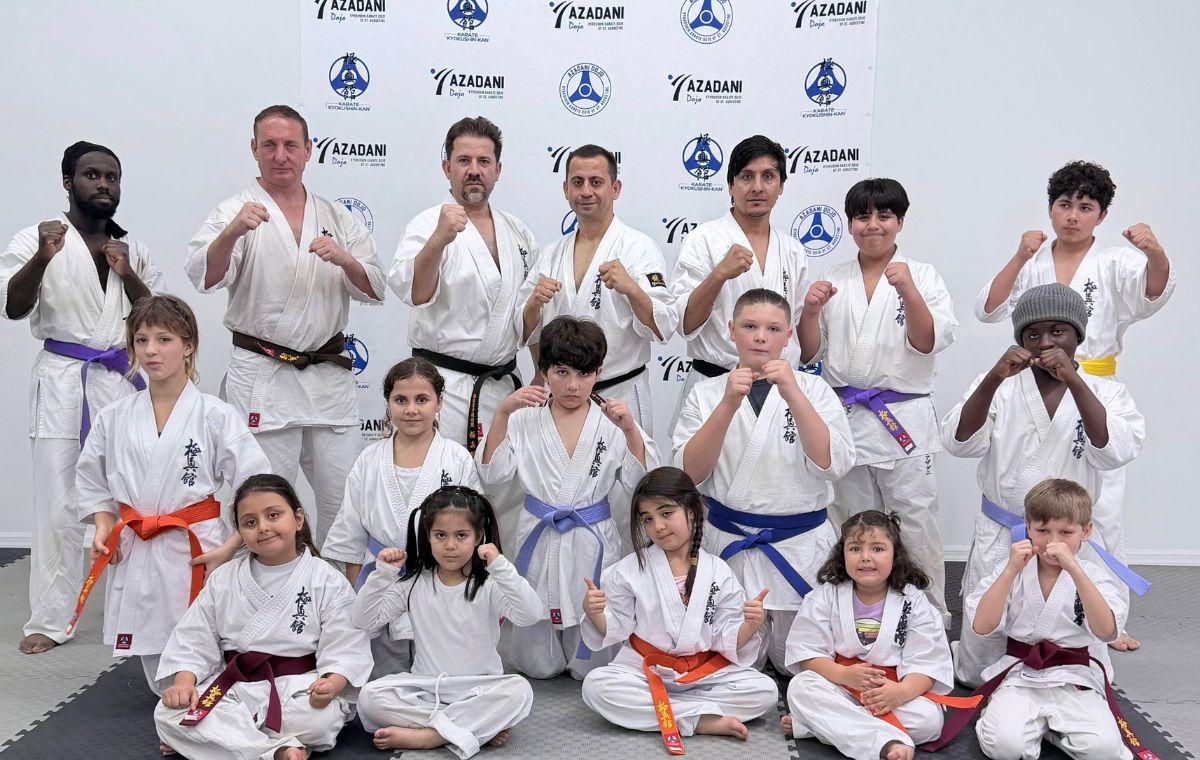
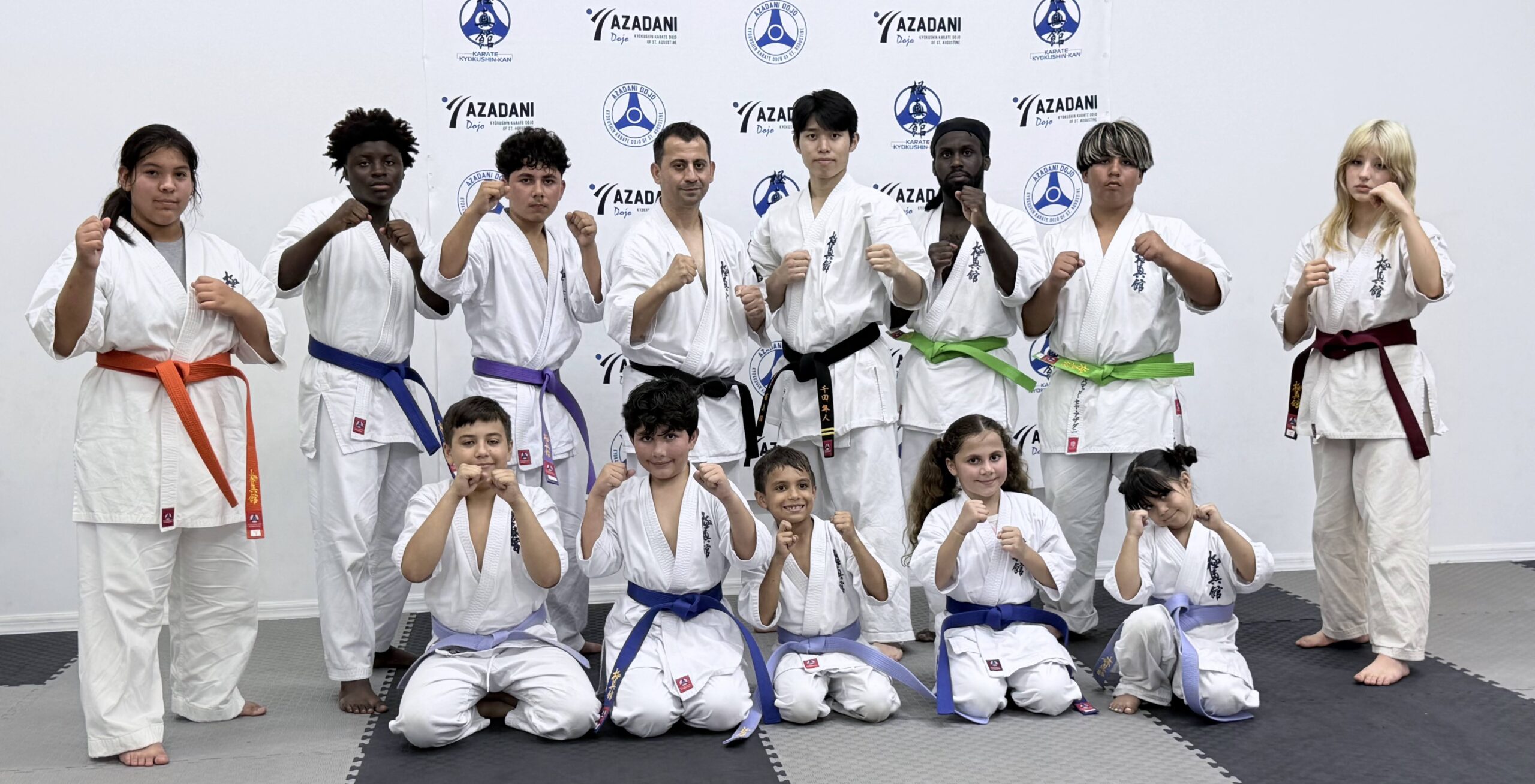
For families considering Azadani Dojo in St. Augustine, Florida, karate offers an opportunity to explore structured martial arts training, personal progress, and shared practice. Whether it is the right choice depends on your child’s experience of the class as much as the benefits you hope they will gain. Taking time to observe, ask questions, and listen to their reaction gives you a useful starting point.
Start With Your Child’s Interests and Personality
Children approach new activities in different ways. One might happily join a group without knowing anyone, while another prefers to watch before participating. Some enjoy fast-moving games, and others like having a movement demonstrated before trying it themselves. These preferences can help you identify a suitable environment, although they don’t have to limit what your child is allowed to explore.
A quiet child may love a team sport with a patient coach, just as an outgoing child may enjoy the concentration involved in practicing karate. The way an activity is taught matters as much as its name. Class size, noise, pace, and the instructor’s approach can all influence whether your child feels comfortable enough to participate.
Ask your child what appeals to them about each option. They may be curious about learning a kick, playing alongside a friend, performing on a stage, or being in the water. Their answers can reveal more than simply asking which activity they want to join. If karate is on their list, our guide on whether karate is good for kids explores what parents should consider before enrolling.
Think About What You Want Your Child to Gain
It helps to identify what you hope an activity will add to your child’s week. You may want them to enjoy regular movement, make friends, practice listening, or discover an interest beyond school. Having a clear goal makes it easier to compare programs and ask instructors useful questions.
Different activities provide different opportunities, with plenty of overlap between them. A team sport gives children practice coordinating with others toward a shared result. Music lessons involve listening, repetition, and learning to perform a skill. Karate includes following instructions, practicing controlled movements, working with partners, and progressing through a curriculum. Confidence, patience, and cooperation can develop in many settings when the teaching supports them.
Try to keep your expectations connected to your child’s experience. If they enjoy the lessons and understand what they’re learning, they have a stronger reason to participate regularly. An activity chosen only because adults hope it will change their behavior may feel like another obligation. It is more helpful to look for a program that combines your goals with something your child finds interesting.
Consider How Your Child Responds to Competition
Competition can be exciting for some children and uncomfortable for others. A child may enjoy the challenge of a game but become discouraged when they feel responsible for a team’s result. Another may find competition motivating and look forward to measuring their skills against someone else’s. Neither reaction tells you everything about their ability or potential.
Karate can appeal to children who enjoy working toward individual goals within a group. During practice, a student might focus on remembering a sequence, improving a stance, or applying an instructor’s correction. Those tasks give them specific things to work on without requiring every lesson to revolve around winning a match.
However, karate programs can include competition, grading, and partner training, so it is worth asking how these are introduced. Likewise, many recreational team sports emphasize participation and learning over results. Comparing the actual programs will tell you more than assuming one activity is always competitive and another never is. Our article on karate vs. team sports looks more closely at those differences.
Look at What Children Practice Beyond the Movements
The content of a lesson includes more than the physical skill being taught. Children also experience how an instructor responds to mistakes, how classmates treat one another, and what happens when a task takes several attempts. These everyday interactions help determine whether the class feels encouraging and worthwhile.
In karate, students have opportunities to listen to demonstrations, wait for instructions, practice with control, and try again after a correction. A clear explanation gives a child something specific to change. For example, being shown where to place a foot is more useful than simply being told to concentrate harder. Look for teaching that helps children understand how to improve.
These habits take practice, and progress in class doesn’t automatically mean immediate changes at home or school. You can support your child by noticing specific efforts, such as listening carefully or staying with a challenging movement. For more on this topic, our article about attention and focus in school explores how karate practice relates to those skills.
A Shy Child May Need Time to Feel Comfortable
If your child is shy, you may wonder whether they will feel overwhelmed in a karate class. It is reasonable to consider how they usually react to unfamiliar people and places. Some children need to observe the room, meet the instructor, or understand the routine before they feel ready to join in.
A useful first conversation with the instructor can focus on how new students are introduced. Ask whether your child can watch a class and how the teacher supports someone who is hesitant. Notice whether the instructor speaks directly and respectfully to your child, gives them time to respond, and explains what will happen next.
Confidence can begin with modest achievements. Joining a warm-up, asking a question, or remembering a short sequence may be a meaningful step for a child who was initially unsure. There is no need to expect them to become outgoing or comfortable immediately. Our article on mental toughness in kids and teens discusses the role of working through challenges and recognizing progress.
If Another Activity Didn’t Work Out, Find Out Why
Leaving an activity doesn’t necessarily mean your child dislikes learning or will struggle to commit to anything. They may have lost interest in the activity itself, felt uncomfortable with the teaching style, or found the schedule tiring. Understanding what happened can help you avoid repeating the same problem in a different setting.
Try asking specific questions about their experience. Which parts did they enjoy? Was there something they found confusing or upsetting? Did they want more time to practice, or were they simply more interested in doing something else? A child who says an activity was “boring” may need help explaining what that meant.
Karate could be worth exploring if its structure or skills appeal to them, but it doesn’t need to be presented as a test of whether they can stick with something. Discuss what trying the class involves and agree on a reasonable opportunity to get familiar with it. Stay open to their feedback while helping them distinguish between ordinary beginner frustration and an environment that feels unsuitable.
Observe a Class Before Making a Decision
Watching a class gives you information that a program description cannot. You can see how the instructor explains activities, whether children understand what they’re being asked to do, and how the group moves between tasks. Pay particular attention to what happens when someone makes a mistake or needs extra help.
A well-run class can be both demanding and encouraging. Children should have clear expectations, but corrections should help them learn. Look for appropriate supervision, controlled partner exercises, and instructions that suit the students’ ages and experience. You can also ask how beginners are introduced to contact training and what equipment is required.
Your child’s reaction matters too. After the visit, ask what they noticed and whether there was anything they would like to try. They don’t need to be immediately enthusiastic about every part of the lesson, but curiosity can be a useful sign. Our guide to what happens during a kids’ karate class can help you prepare for a visit and understand what you’re watching.
Make Sure the Routine Works for Your Family
Even an enjoyable activity can become difficult to maintain if getting there creates stress every week. Consider travel time, schoolwork, meals, and the amount of unstructured time your child has. A schedule that looks manageable on paper may feel different after a full school day.
It is also helpful to understand the complete commitment before enrolling. Ask about class frequency, fees, uniforms, equipment, grading costs, and any attendance expectations. Knowing these details helps you choose a program your family can participate in comfortably.
If you’re comparing local options, our guide to choosing the right karate school in St. Augustine, FL explains other points worth considering. A program should make sense for your child’s learning needs and your family’s everyday routine.
Karate Can Fit Alongside Other Interests
Choosing karate doesn’t always mean giving up another activity. A child may enjoy practicing martial arts while also playing soccer, taking music lessons, or swimming. Different interests give them different experiences, and there is no requirement to choose one permanent path at an early age.
The main consideration is whether the combination remains enjoyable and manageable. Before adding another commitment, think about how your child handles their current schedule and whether they still have time for rest, play, and family life. Their enthusiasm for a new activity matters, but so does having enough space to enjoy it.
You can also revisit the arrangement as circumstances change. School demands, seasonal sports, and your child’s preferences may affect what works. Keeping the conversation open helps you make adjustments without treating every change as a failure.
Choosing an Activity Your Child Wants to Return To
The most useful decision is one based on your child’s interests, the quality of instruction, and the experience of participating. Karate may be a good fit if they enjoy learning movements, working toward personal goals, and being part of a structured class. Another activity may capture their interest more strongly, and that is valuable information too.
At Azadani Dojo in St. Augustine, families can explore how karate training fits their child’s goals and experience level. Visiting a class gives you an opportunity to meet the instructor, see the environment, and discuss any questions before deciding. It also gives your child something concrete to respond to instead of asking them to choose an activity they’ve only imagined.
Explore our Karate Classes in St. Augustine to learn more about the programs available. Look for a class where your child feels supported, understands what they’re learning, and has reasons of their own to want to come back.