Choosing between karate and a team sport can feel difficult when both seem to offer something valuable. Soccer, basketball, and baseball give children opportunities to work together, enjoy competition, and contribute to a shared goal. Karate offers structured martial arts practice where children learn alongside others while working toward individual milestones. Either experience can become a meaningful part of your child’s week.
The better fit depends on what your child enjoys, how they respond to instruction, and the environment of the particular program. Some children love the changing situations of a team game. Others prefer having time to practice a movement, understand a correction, and recognize their own improvement. Many enjoy both, especially when the coaching makes them feel included and supported.
For parents in St. Augustine, Florida, comparing these activities starts with looking beyond their names. The instructor, class structure, expectations, and opportunities to participate all influence your child’s experience. Understanding how karate and team sports approach learning can help you decide which program is worth exploring.
Team Sports Give Children a Shared Goal
A team sport gives children regular opportunities to coordinate their actions with other players. During a soccer game, for example, a child learns when to pass, how to find space, and why paying attention to teammates matters. Their decisions become part of a larger effort, which makes cooperation a practical part of the activity.
Children also experience the emotional side of working toward a shared result. They celebrate successful plays, respond to setbacks, and learn how their behavior affects the group. A supportive coach can help them encourage teammates, accept mistakes, and understand that everyone has a role in the learning process.
For a child who enjoys games and group problem-solving, this can be exciting. The experience depends on the program, though. A recreational team focused on participation may feel very different from a competitive team with selection requirements and limited playing time. Before enrolling, ask how the coach balances skill development, game participation, and results.
Karate Combines Group Practice With Individual Progress
In karate, students train together while developing their own understanding of the techniques. A class might practice the same movement, but each child may be working on a different detail. One student could be learning where to place their feet, while another is concentrating on balance or control.
This gives children specific goals they can return to over several lessons. Remembering a sequence, improving a stance, or applying a correction provides a way to recognize progress within everyday practice. Belt requirements can offer longer-term milestones, while smaller improvements give students something to work on between gradings.
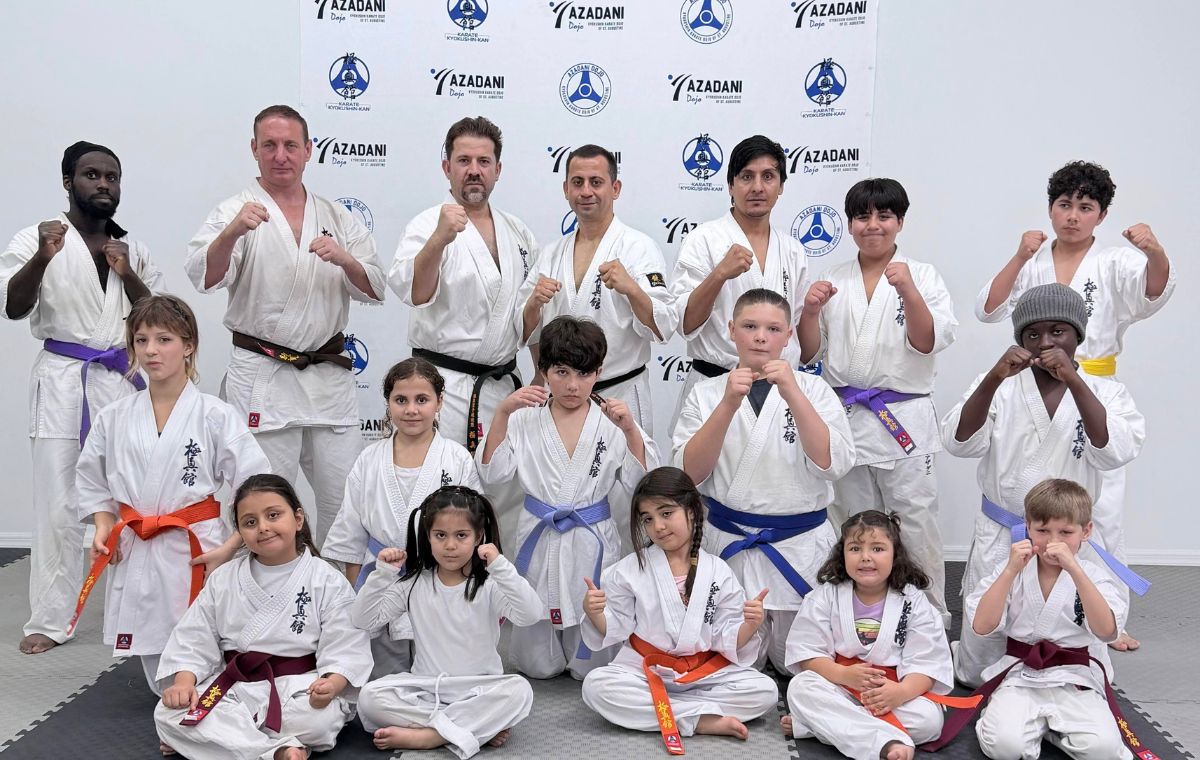
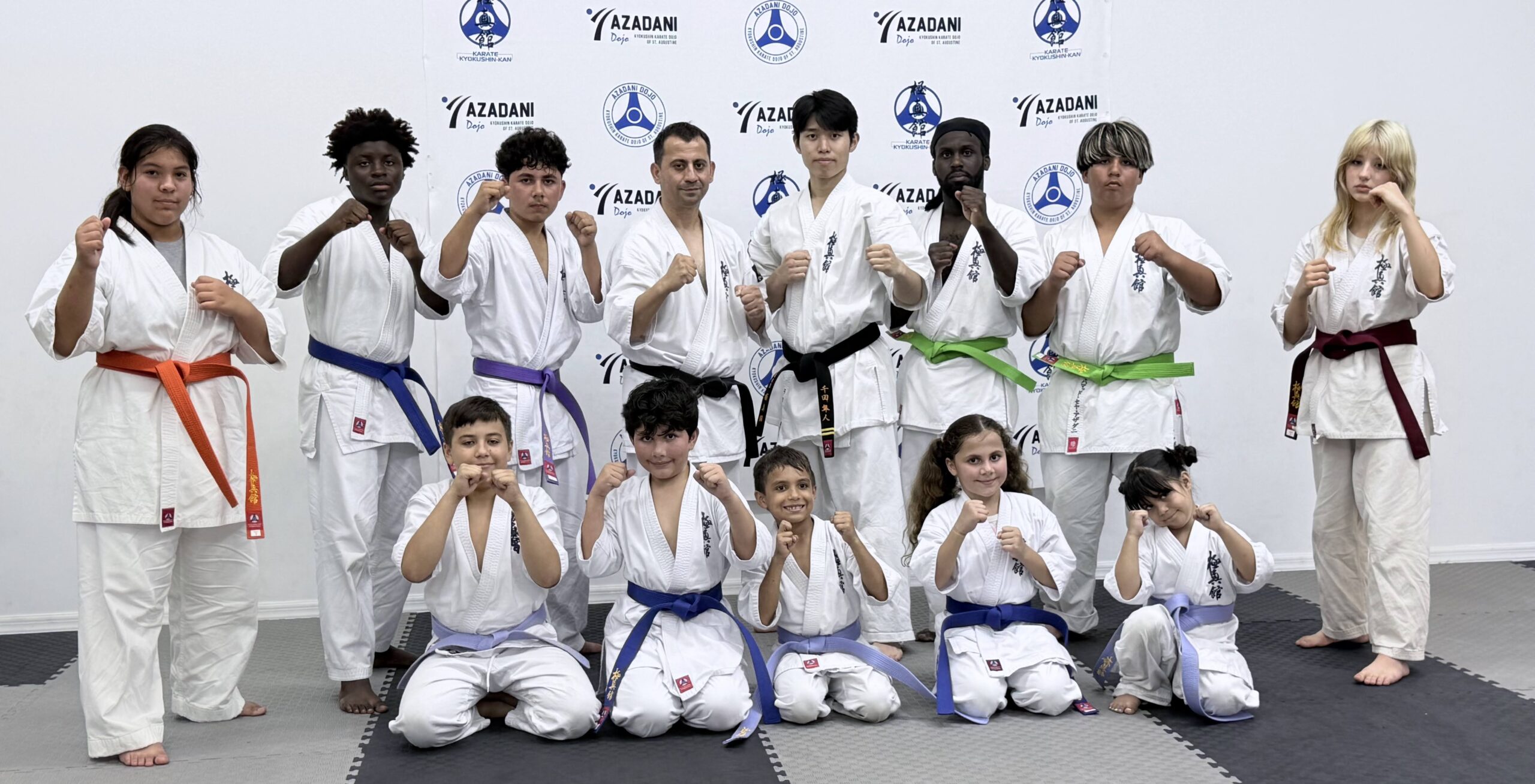
At Azadani Dojo in St. Augustine, karate provides a setting where children can learn martial arts fundamentals alongside other students. For a child who enjoys practicing a skill and seeing it become more familiar, that combination of shared training and individual development may be especially appealing.
How Each Activity Handles Competition Matters
Competition can motivate children, but their reactions to it vary. Some enjoy making quick decisions during a game and look forward to playing against another team. Others find it difficult when they worry about letting teammates down or making a mistake in front of spectators.
Karate can offer a different balance between practice and competition. Regular lessons may focus on technique, drills, and personal progression, while tournaments provide a separate competitive experience. However, karate also includes challenges such as grading and partner work, so it shouldn’t be assumed that every class is free from performance pressure.
The useful question is how the adults guide children through those situations. A coach or instructor who explains expectations clearly and responds constructively to mistakes can make a significant difference. Ask how competition is introduced, whether tournament participation is expected, and how the program supports a child who feels nervous.
Confidence Grows When Children Understand Their Progress
Both karate and team sports can give children reasons to feel proud of their effort. A basketball player may successfully use a pass they have been practicing, while a karate student may remember a kata sequence without assistance. In either case, the achievement becomes meaningful because the child can connect their practice with improvement.
Karate provides frequent opportunities to focus on small technical changes. A movement that felt confusing begins to make sense, or a student maintains their balance more consistently. An instructor can help the child recognize exactly what has improved and what they are ready to practice next.
Confidence also depends on how setbacks are handled. Children benefit from understanding that needing more practice is a normal part of learning. They should be able to ask for help and receive useful feedback without feeling embarrassed. Our article on how karate builds mental toughness in kids and teens explores how working through manageable challenges can become part of that process.
Structure and Focus Look Different in Each Setting
Karate lessons commonly use demonstrations, repeated practice, and clear instructions to organize learning. Students listen, watch a movement, and then attempt it themselves. Familiar routines can help children understand when to concentrate on the instructor and when to begin practicing.
Team sports also require attention, but children may need to apply it differently. During a game, they follow the ball, track other players, and respond to changing situations. Practice sessions may include structured drills that isolate a skill before introducing it into play. Both environments ask children to listen and act on information.
Consider which approach your child currently enjoys and where they might need support. Some prefer a clearly demonstrated task with time to repeat it, while others enjoy reacting to a moving game. If you’re interested in the role of structured karate practice, our guide explains how karate helps kids with attention and focus in school. Progress outside class varies, so it is useful to focus first on the habits your child is practicing during lessons.
Karate Still Offers Opportunities for Friendship
Parents sometimes wonder whether an activity centered on individual progress will provide enough social interaction. Karate students may have their own goals, but they share the experience of learning in the same class. They see familiar faces, practice with partners, and notice one another’s progress over time.
Partner exercises create opportunities to take turns, follow instructions together, and consider another person’s experience. Students need to cooperate for the practice to work well. Conversations before and after class can also help children become comfortable with people they might not otherwise meet.
Team sports offer their own opportunities for connection through shared practices, games, and team routines. Neither setting guarantees friendship, but both can give relationships time to develop. When visiting a program, notice how students include newcomers and whether the adults encourage respectful interaction across the group.
Which Environment Might Suit a Shy Child?
A shy child can enjoy either karate or a team sport. Some feel more comfortable when an activity gives them a clear task to concentrate on, while others settle in through playing alongside a familiar friend. Their response to a particular instructor may matter more than whether the activity is individual or team-based.
Karate may appeal to a child who likes predictable routines and time to practice before demonstrating a skill. They can become familiar with the class gradually and recognize achievements such as joining an exercise or remembering an instruction. A patient instructor can help them participate without expecting immediate confidence.
Before deciding, ask how the program welcomes hesitant beginners. Watching a lesson, meeting the instructor, and understanding what will happen during the first visit may help. Your child doesn’t need to become more outgoing for the experience to be worthwhile; feeling comfortable enough to participate and enjoy learning is a useful starting point.
Both Activities Offer Varied Physical Challenges
Karate involves practicing stances, kicks, strikes, turns, and coordinated sequences. These tasks ask children to pay attention to how they position and move their bodies. A beginner may work on keeping balance during a simple movement before progressing to a more complicated combination.
The demands of team sports vary by activity. Soccer involves running, changing direction, and controlling a ball with the feet. Basketball adds passing, catching, dribbling, and shooting, while baseball introduces a different combination of timing and coordination. Each provides skills that take practice to develop.
Rather than choosing only by how demanding an activity appears, consider whether your child enjoys the movements and receives suitable instruction. Beginners need opportunities to learn the basics. An instructor or coach should be able to explain how tasks are adjusted for different experience levels and how children progress toward greater difficulty.
If Your Child Has Lost Interest in Sports, Explore the Reason
A child who stops enjoying a sport may still be interested in being active. They might dislike the pace of games, feel uncomfortable with the coaching, or want more opportunities to participate. Sometimes the schedule is tiring, and sometimes their interests have simply changed.
Understanding the reason helps you decide what to explore next. If your child enjoyed learning skills but disliked match pressure, a karate class with an emphasis on regular practice may be worth trying. If the problem was an overwhelming schedule, adding a new commitment without changing the routine may create the same difficulty.
Try discussing the previous experience without labeling your child as someone who gives up. Ask what they enjoyed, what they found difficult, and what they would like to be different. Our article on why kids quit sports and how karate is different explores this decision in more detail.
Enjoyment and a Manageable Routine Help Children Stay Involved
There is no single activity that every child will continue for years. Some become deeply interested in karate’s techniques and progression requirements. Others love belonging to a team and look forward to the next season. Motivation can change as children grow and discover new interests.
Visible progress can give them reasons to continue, but so can friendships, engaging lessons, and feeling understood by the instructor. Notice whether your child talks about something they learned, wants to show you a movement, or asks when they can return. These details tell you more than assuming they should enjoy an activity because of its potential benefits.
Your family’s routine matters as well. Travel, schoolwork, meals, and time for rest affect how manageable participation feels. Some children enjoy combining karate with a seasonal sport, provided the schedule leaves enough room for both. There is no need to make one activity a permanent choice before your child has experienced it.
What to Look for When Comparing Programs in St. Augustine
Watching a class or practice gives you a chance to see how teaching works in real time. Pay attention to how instructions are explained, how beginners are included, and what happens when a child needs extra help. Look for an environment where expectations are clear and corrections give students a practical way to improve.
Ask about the full commitment, including fees, equipment, attendance expectations, and competition requirements. For karate, you can also ask how partner practice and contact are introduced. For a team sport, ask about playing time and how the coach supports children with different experience levels.
At Azadani Dojo, families can explore how karate instruction fits their child’s interests and goals. If you’re evaluating local options, our guide explains how to choose the right karate school and what to consider before enrolling.
Choosing an Activity Your Child Can Enjoy and Grow With
Karate and team sports give children different ways to practice skills, spend time with others, and work through challenges. The most suitable choice depends on the actual program and your child’s response to it. Their curiosity, comfort with the instruction, and willingness to return are all worth listening to.
Karate may be especially appealing if your child enjoys structured practice and working toward personal milestones within a group. A team sport may capture their interest through shared play and the excitement of a game. Trying a class or attending a practice can help your family move from general comparisons to a decision based on experience.
To see how training is organized at Azadani Dojo, explore our karate classes in St. Augustine. You can learn about the available programs, ask questions, and consider whether the environment feels like a good place for your child to begin.