Choosing a karate school involves more than finding a convenient location or a class that fits your schedule. You want to understand who will be teaching, how beginners are introduced to training, and whether the environment feels right for you or your child. A school’s website can provide a useful introduction, but the way instructors explain, demonstrate, and guide students during a lesson tells you much more about the experience.
If you are looking for a karate school in St. Augustine, FL, begin by considering what you hope to gain from training. Parents may want an activity that gives their child opportunities to practice listening, build confidence, and stay active. Adults may be interested in learning martial arts, improving fitness, or making time for a challenging activity they enjoy. Understanding your priorities makes it easier to recognize a program that suits your needs.
Start With Your Goals and Expectations
Before comparing schools, think about what would make training worthwhile for your family. If your child is hesitant in unfamiliar settings, you may place particular value on patient instruction and a welcoming introduction. If they enjoy physical challenges, you might look closely at how lessons keep students engaged while teaching control and responsibility. For an adult beginner, clear guidance and a manageable pace may be especially important.
Share these expectations with the instructor and listen to how they respond. A useful conversation should help you understand what the program offers, how beginners participate, and what progress might look like over time. Be cautious about promises of immediate confidence, rapid belt advancement, or guaranteed changes in behavior. Learning takes practice, and students respond differently to the same activity.
Practical considerations belong in this conversation too. Class times, travel, and the overall commitment will influence whether you can attend regularly. A program that fits your routine gives you a better opportunity to build familiarity and enjoy the learning process.
Look Closely at the Instructor’s Teaching Approach
An instructor’s qualifications and training history are worth reviewing, but you should also observe how that experience translates into teaching. Performing a technique and explaining it to a beginner require different skills. During a class, notice whether the instructor breaks movements into understandable steps, demonstrates clearly, and gives students enough time to practice.
Corrections offer a particularly useful insight. A beginner may need help adjusting their stance, remembering a sequence, or understanding where to move next. Helpful feedback identifies something the student can work on and gives them a chance to try again. You should be able to see how the instruction helps a student move forward.
When researching reputable karate schools, ask who teaches the classes you plan to attend and about their experience with that age group. A school should be comfortable discussing its instructors, teaching approach, and expectations for new students. That openness helps you make a decision based on more than a belt rank or promotional description.
Understand How Classes and Progression Work
A well-organized lesson gives students a clear sense of what they are practicing. You may see a warm-up followed by basic techniques, combinations, forms, or partner exercises, depending on the class. The activities should have a purpose, and beginners should receive enough explanation to participate at an appropriate level.
Repetition is a normal part of karate training. Students return to familiar movements so they can improve their positioning, balance, timing, and control. An instructor should be able to explain how those fundamentals connect to later learning and how expectations change as students gain experience.
Ask how progress is assessed and what is required before a student advances. Belt testing can provide useful goals, but everyday feedback matters as well. Students benefit from knowing what they are doing well, what needs more practice, and how to approach the next step. Clear standards help families understand the learning process without relying on promises about how quickly someone will earn a particular rank.
Observe Safety Practices and the Training Environment
Safety should be part of how a class operates from beginning to end. Look at whether students have adequate space, whether equipment is maintained, and whether the instructor supervises exercises closely. Students should understand when to begin and stop, how to work with a partner, and what level of contact is permitted.
Because training practices vary, ask specifically about partner work and sparring. Find out how beginners are introduced, what protective equipment is required, and how readiness is assessed. These questions help you understand the actual program instead of making assumptions based on the martial art’s name or style.
The atmosphere matters just as much as the physical space. Students should be able to ask for clarification, explain discomfort, and make mistakes without humiliation. This is particularly important for children and first-time adult students, who may still be learning how a dojo operates. Clear expectations and respectful communication make it easier for newcomers to participate responsibly.
Choosing a Karate School for Your Child
When choosing a children’s program, pay attention to how the instructor balances structure with realistic expectations. Children need to understand the rules, but they also need guidance while learning to follow them. Notice what happens when a student becomes distracted, forgets an instruction, or struggles with a movement. The response should help the child rejoin the activity and understand what to do next.
A suitable class gives children meaningful opportunities to participate. They should spend time practicing, listening, and working through manageable challenges, with explanations that suit their age and experience. Enthusiasm is valuable, but so is the quieter confidence of a child who feels comfortable asking for help or trying again.
Include your child in the decision where possible. After observing or trying a lesson, ask what they enjoyed and what felt unfamiliar. A little nervousness is understandable, especially at the beginning. Their willingness to return, together with your observations of the teaching, can help you judge whether the environment is a good fit.
Choosing a Karate School as an Adult Beginner
Adults often arrive with questions about fitness, flexibility, or keeping up with experienced students. A welcoming program should explain how beginners start and how exercises can be approached at different levels. You should know what is expected during your first lessons and feel comfortable discussing any limitations that affect your participation.
If your experience has mainly involved traditional workouts, karate may introduce a different kind of challenge. You will be learning techniques, responding to corrections, and coordinating movements that may initially feel unfamiliar. Look for instruction that gives you time to understand those skills while gradually increasing the demands of training.
The group atmosphere also deserves attention. Experienced students can contribute to a positive learning environment through controlled practice, patience, and respect for newcomers. You do not need to perform at their level to belong in the class, but you should understand how beginners receive guidance within the group.
Understand the School’s Approach to Traditional Karate
Different martial arts programs place different emphasis on technique, competition, conditioning, self-defense, and traditional practice. Ask how the school describes its approach and what that means during an ordinary lesson. This helps you choose a program that matches your interests and expectations.
In traditional karate, values such as respect, patience, and responsibility should be visible in everyday behavior. You might see them in how students listen during a demonstration, practice carefully with partners, or respond to feedback. These habits gain meaning through consistent practice and the example set by the instructor.
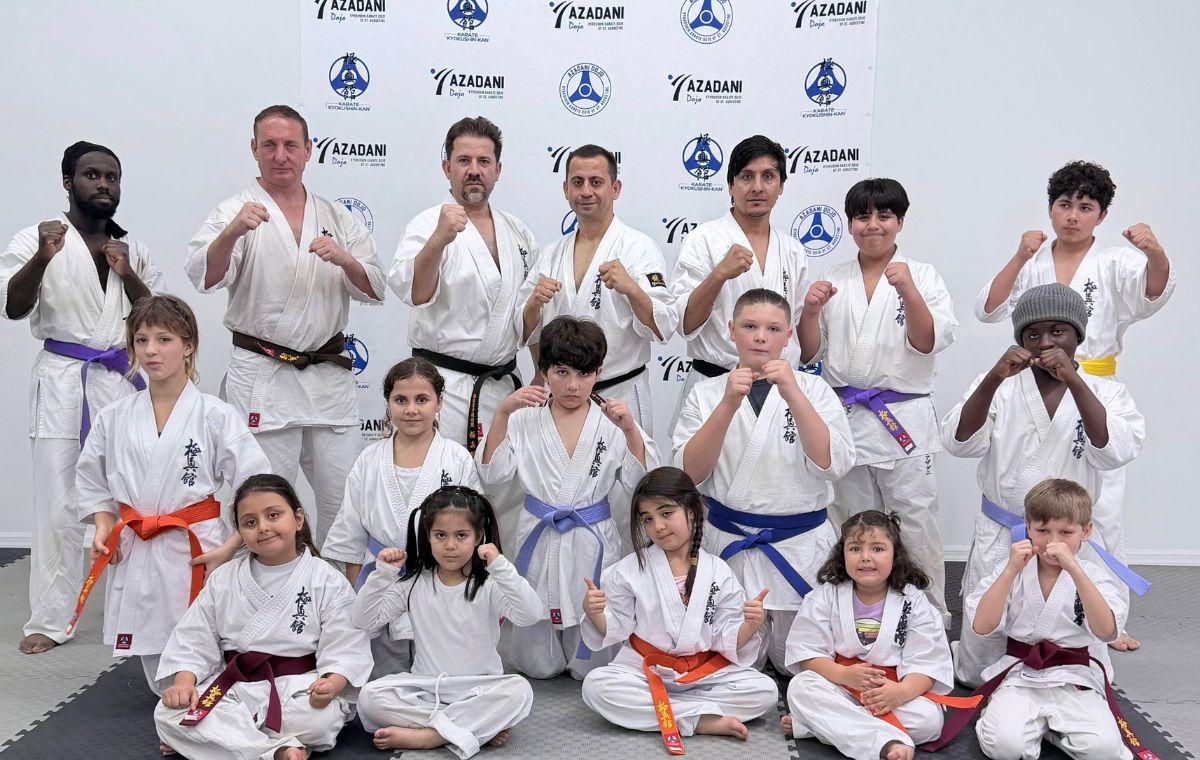
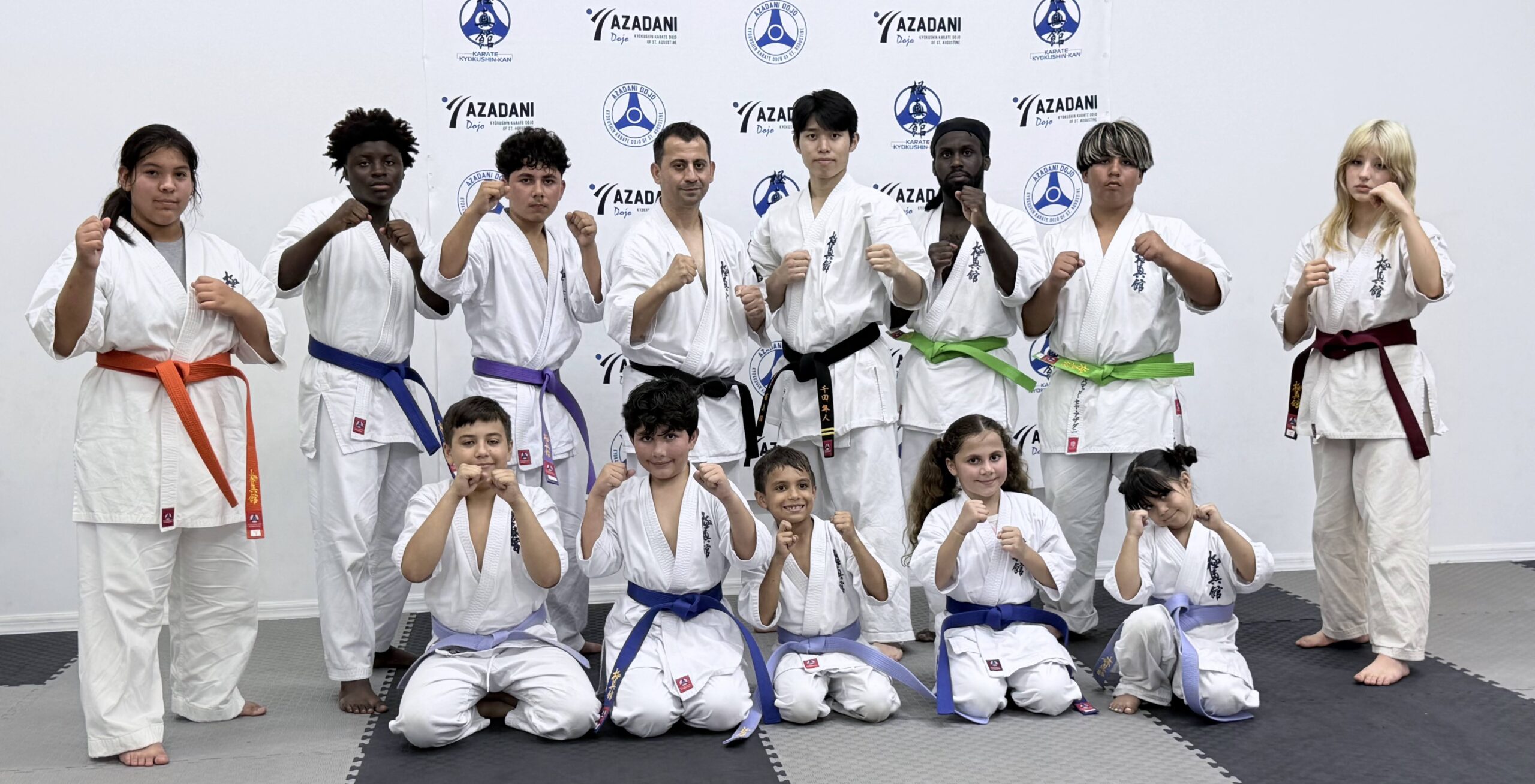
At Azadani Dojo, traditional karate values are taught alongside physical techniques. When visiting, you can ask how those principles shape lessons and how students are guided as they gain experience. Seeing the teaching in practice will help you understand whether that approach appeals to you.
Try a Class Before Making a Commitment
A trial class gives you an opportunity to experience the instruction, pace, and atmosphere directly. Notice whether someone explains where to go, what to expect, and how to join the activities. During the lesson, consider whether the demonstrations are understandable and whether beginners receive help when they need it.
You do not need to finish the first class feeling confident in every movement. A more useful question is whether you understood enough to participate and felt comfortable learning. A challenging lesson can still leave you encouraged when the expectations are clear and the guidance is constructive.
For parents, observing a trial also reveals how your child responds to the instructor and the group. Talk afterward about the experience and ask any remaining questions before deciding. A school that is a suitable fit should give you enough information to understand the commitment.
Consider the Full Cost and Schedule
Price matters, but the monthly tuition may not tell you everything you need to know. Ask about uniforms, equipment, grading fees, membership terms, and any cancellation requirements. Clear information allows you to compare programs fairly and decide what is manageable for your household.
Consider the schedule with the same care. Think about travel after school or work, the number of classes you can realistically attend, and how training will fit alongside other responsibilities. Convenience can make a meaningful difference to attendance, especially once the excitement of starting something new settles into a regular routine.
The right choice should balance teaching quality, a suitable environment, and a commitment you can maintain. Understanding those details before joining helps you begin with realistic expectations.
Exploring Karate at Azadani Dojo
Azadani Dojo in St. Augustine offers karate training for children, teens, and adults, with an emphasis on fundamentals, discipline, and continued practice. New students begin learning the techniques and routines that provide a foundation for further training, while more experienced students continue developing their skills.
A visit gives you the opportunity to discuss your goals, ask how beginners are supported, and observe the teaching firsthand. Whether you are choosing an activity for your child or considering karate yourself, booking a trial can help you decide whether the instruction, atmosphere, and schedule feel right for you.