It usually doesn’t happen all at once.
At first, your child is excited. They can’t wait for practice. They put on their uniform with pride. You feel like you’ve found something good for them.
Then, slowly, things change.
They hesitate when it’s time to go.
They say they’re tired.
They lose interest.
Or they simply say, “I don’t want to do it anymore.”
If you’re a parent in St. Augustine, FL, this probably sounds familiar.
And when it happens, most parents ask the same question:
Why does my child keep quitting sports?
The truth is, most kids don’t quit because they’re lazy or unmotivated. They quit because the experience stops working for them.
And this is exactly where karate becomes different.If you are still exploring whether karate is the right choice overall, you may want to read is karate good for kids.
Kids Don’t Quit Sports, They Quit How Sports Make Them Feel
When a child starts something new, they’re not thinking about performance. They’re thinking about how it feels.
Do I feel comfortable here?
Do I understand what’s going on?
Do I feel good about myself?
In many traditional sports, those feelings can change quickly.
A child who was once excited can begin to feel confused, pressured, or left behind. When that happens, their connection to the activity weakens.
It’s not that they don’t like sports. It’s that they don’t like how the experience makes them feel.
When Confidence Breaks, Motivation Follows
Confidence is the foundation of consistency.
If a child feels capable, they keep going.
If they feel unsure, they pull back.
In many sports environments, kids are compared early. Some pick things up quickly. Others need more time. That gap becomes visible fast.
The child who struggles may begin to think, “I’m not good at this.”
Once that thought settles in, motivation starts to fade.
Karate approaches this differently.Many parents also wonder about the right time to begin, which you can explore in this guide on the best age to start karate in St. Augustine.
Karate Removes the Fear of Falling Behind
In karate, there is no bench. No one is waiting to be “good enough” to participate.
Every child trains.
More importantly, every child progresses at their own pace.
Instead of trying to keep up with others, they are working on improving themselves. That shift removes one of the biggest reasons kids quit.
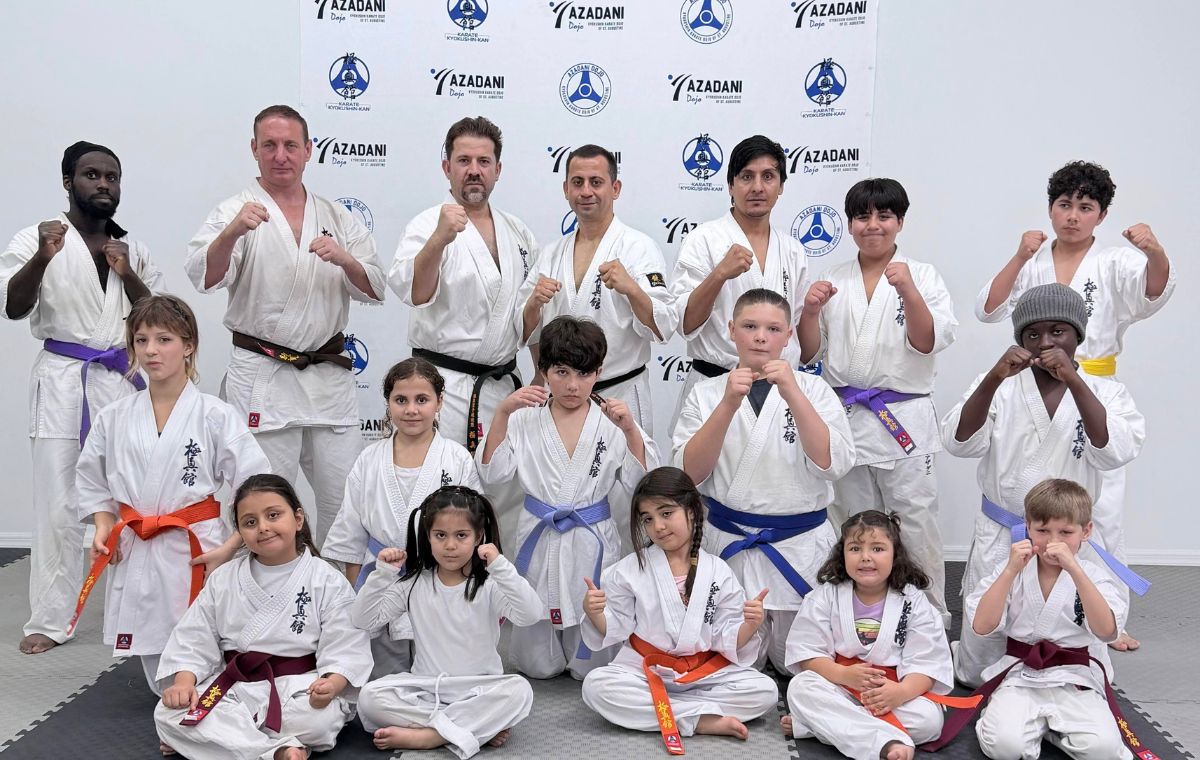
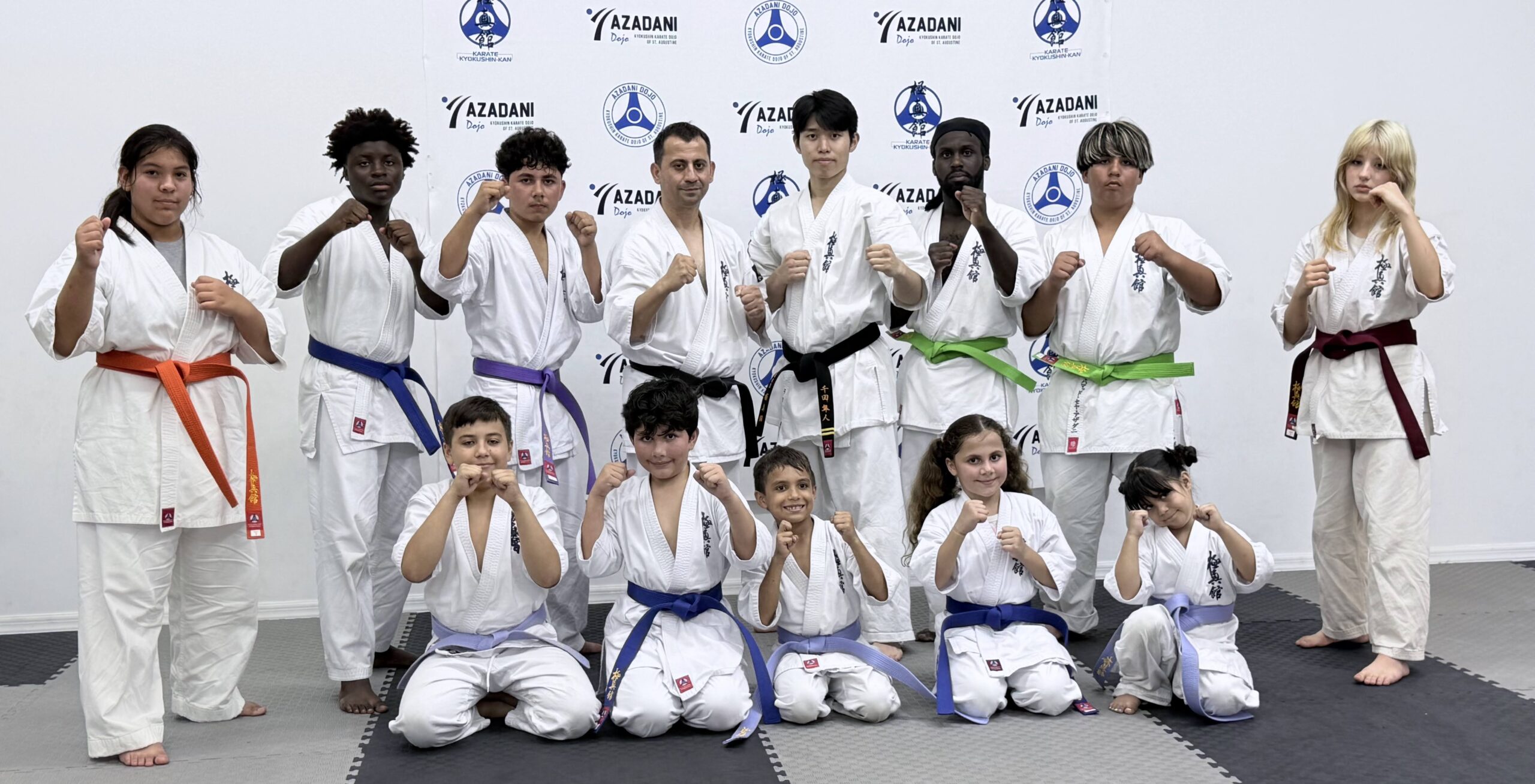
They are no longer worried about falling behind. They are focused on moving forward.At Azadani Dojo in St. Augustine, this is one of the core principles. Students are guided individually while still training together, which allows them to grow without feeling compared.
Structure Creates Calm, Not Pressure
One of the biggest differences parents notice in karate is how structured the environment feels.
Children line up. They listen. They move together. They repeat.
At first glance, it may seem simple. But this structure does something powerful.
It removes confusion.
In many sports, kids are trying to figure out rules, positions, and fast-paced movement all at once. That can feel overwhelming, especially for beginners.
Karate simplifies the experience. It gives children clear expectations and a consistent rhythm.
That clarity helps them relax, focus, and stay engaged.
If you are curious how classes are actually structured, you can explore our karate classes in St. Augustine.
Every Child Gets Attention That Matters
In large team settings, it’s easy for some kids to blend into the background.
They try to keep up. They guess what to do. They don’t always get direct guidance.
Over time, that uncertainty turns into frustration.
Karate creates a different dynamic.
Instructors observe closely. They correct with purpose. They guide each student based on where they are.
When a child feels seen and supported, something changes.
They stop worrying about mistakes and start focusing on improvement.
Progress Feels Real in Karate
One of the most powerful reasons kids stay in karate is that progress is visible.
They can feel it. They can see it.
A movement that once felt difficult becomes easier. A stance becomes stronger. A sequence becomes smoother.
Then comes the moment they earn their next belt.
That moment matters more than people realize.
It tells the child, “Your effort is working.”
That feeling builds motivation in a way that no scoreboard ever could.
Discipline That Builds Confidence, Not Fear
Some parents worry that karate might be too strict.
In reality, good karate programs don’t use pressure to create discipline. They use consistency.
Children learn when to listen, when to move, and how to stay focused. These expectations are reinforced calmly and repeatedly.
Over time, discipline becomes internal.
The child begins to control their own behavior, not because they are told to, but because they understand how.
That kind of discipline builds confidence, not fear.
Karate Feels Different to Kids
This is something many parents notice after just a few weeks.
Their child doesn’t just attend karate. They connect with it.
They talk about what they learned.
They want to show their progress.
They look forward to the next class.
Why?
Because karate makes them feel capable.
And when a child feels capable, they stay.
What Happens When a Child Finally Feels “Good At Something”
There’s a moment that changes everything.
It’s when a child realizes, “I can do this.”
It may be small. Maybe they remember a sequence without help. Maybe they hold their stance longer. Maybe they receive recognition from their instructor.
But that moment builds belief.
And belief is what keeps kids committed.
Karate is designed to create these moments consistently.
Why Karate Works for Kids Who Didn’t Like Other Sports
Many children who struggle in traditional sports thrive in karate.
Not because karate is easier, but because it is structured differently.
There is less chaos.
Less comparison.
Less pressure to perform immediately.
Instead, there is guidance, repetition, and personal progress.
For children who felt overwhelmed elsewhere, this environment feels like a reset.
What Parents in St. Augustine Should Look For
If your child has lost interest in other activities, it may not be the activity itself that was the problem.
It may have been the environment.
When exploring karate in St. Augustine, take time to observe a class.
Watch how the instructor interacts. Notice how the students behave. Pay attention to the overall energy.
Does it feel structured?
Do the kids look engaged?
Do they seem confident?
Trust what you see.
At Azadani Dojo, the focus is not just on teaching karate, but on creating an environment where children feel supported, challenged, and proud of their progress.This guide on how to choose the right karate school can also help you make a confident decision.
The Real Reason Kids Stay in Karate
Kids stay in karate because it works for them.
They feel:
Confident instead of discouraged
Guided instead of lost
Supported instead of compared
They understand what they are doing, and they can see themselves improving.
That combination creates something powerful.
It creates commitment.
Final Thoughts: It’s Not About the Sport
When a child quits, it’s easy to think they just need more discipline or motivation.
But often, what they really need is the right environment.
Karate provides that environment.
It gives children structure without pressure, discipline without fear, and progress without comparison.
For parents in St. Augustine, FL looking for an activity that builds confidence and keeps kids engaged, karate offers something different.
It doesn’t just teach skills.
It helps children discover what they’re capable of.
And once they feel that, they don’t want to quit.
If your child is completely new, it also helps to understand what to expect in your first karate class before getting started.