Every January, gyms fill up.
Joining a gym often starts with good intentions. You want to feel stronger, become more active, and make time for yourself, so you sign up and begin planning your workouts. For the first few weeks, that enthusiasm carries you through. Then work gets busy, family responsibilities take over, and the visits become less frequent. Before long, you’re paying for a membership you barely use and wondering why another fitness routine didn’t last.
That experience doesn’t mean you lack discipline. Sometimes, the activity simply doesn’t hold your interest enough to become a lasting part of your life. Plenty of adults enjoy the gym and stay consistent for years, but others need more than a workout to keep them engaged. They want something to learn, a reason to return, and a sense that their effort is leading somewhere meaningful.
For some adults, martial arts provides that combination. Karate brings physical activity together with skill development, instruction, and shared practice. You might initially join because you want to exercise more, then discover that learning the movements and becoming part of a dojo gives you reasons to keep showing up.
When Exercise Starts Feeling Like a Chore
A fitness routine can be useful without being enjoyable. You might understand the benefits of lifting weights or using a treadmill and still find yourself watching the clock throughout your session. When every visit feels like another obligation after a demanding day, it becomes easier to postpone it. Progress may keep you interested for a while, but a routine that consistently feels unappealing can be difficult to maintain.
Karate gives your attention somewhere specific to go. During class, you might be working on a steadier stance, learning how to coordinate a combination, or remembering the sequence of a kata. The physical effort is connected to a task you’re trying to understand. Instead of spending the session thinking about how much longer you have to exercise, you have a movement to practice and feedback to apply.
That difference can make training more engaging for adults who struggle with repetitive workouts. You’re still putting in effort, and some classes will feel challenging, but the activity has an immediate purpose. You leave with something to think about and something you want to improve the next time you train.
Learning Gives You a Reason to Return
Karate involves plenty of repetition, but your understanding of what you’re practicing changes over time. A beginner might concentrate on remembering where to place their feet during a basic movement. With more experience, that same student begins paying attention to balance, timing, posture, and control. A familiar technique can remain challenging because there are details you couldn’t recognize when you first started.
This creates a continuing sense of discovery. You may spend several classes struggling with a movement before a small correction from your instructor helps it make sense. That moment is satisfying because you can connect the improvement to the effort you’ve made. It also gives you a reason to return and see what else you can learn.
For adults whose days revolve around familiar responsibilities, being a student again can be rewarding in itself. You have permission to ask questions, make mistakes, and work toward something gradually. Training becomes a regular opportunity to challenge yourself in a setting where learning is the purpose.
Progress Becomes Easier to Recognize
When your main fitness goal depends on a change in appearance or a number on the scale, progress can feel slow. You might exercise consistently for several weeks without seeing the result you expected. That can be discouraging, particularly when those measurements are the only way you judge whether your effort is worthwhile.
Karate offers additional ways to notice improvement. A stance that once felt uncomfortable becomes more familiar. You remember a sequence without looking around for help, recover your balance more easily, or understand a correction that previously confused you. These changes give you practical evidence that you’re learning, even while other goals take longer.
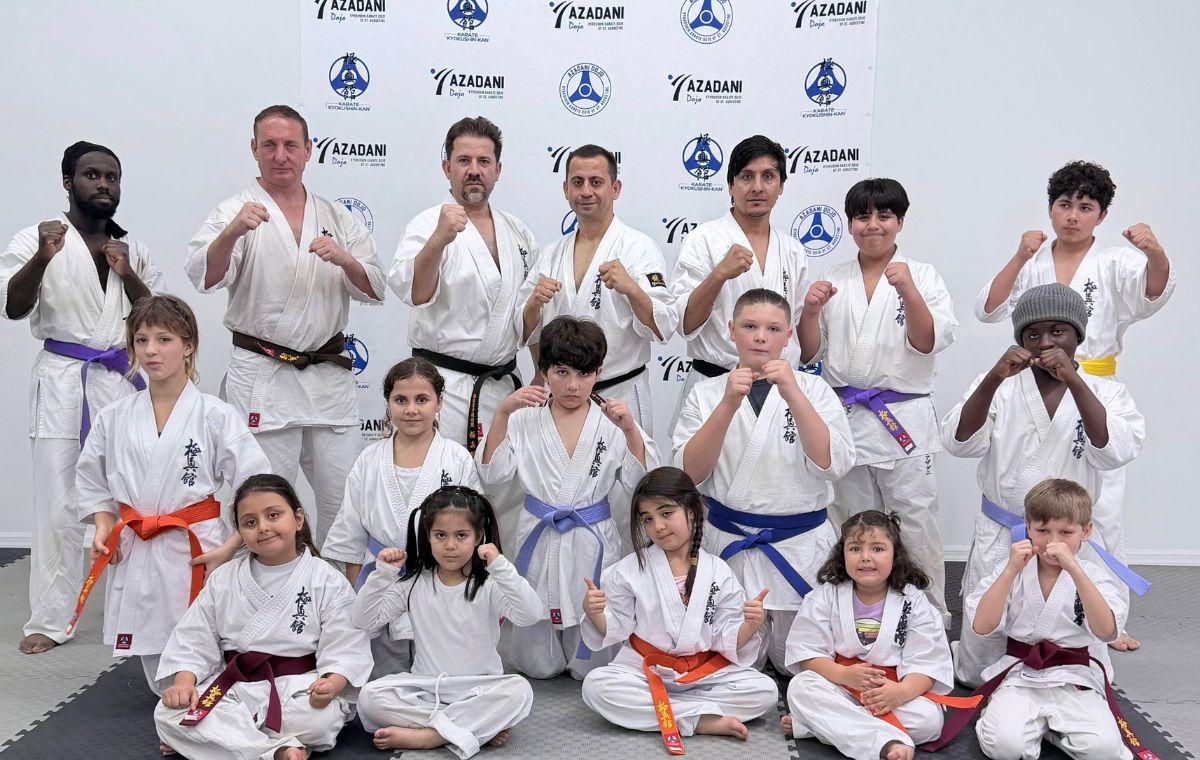
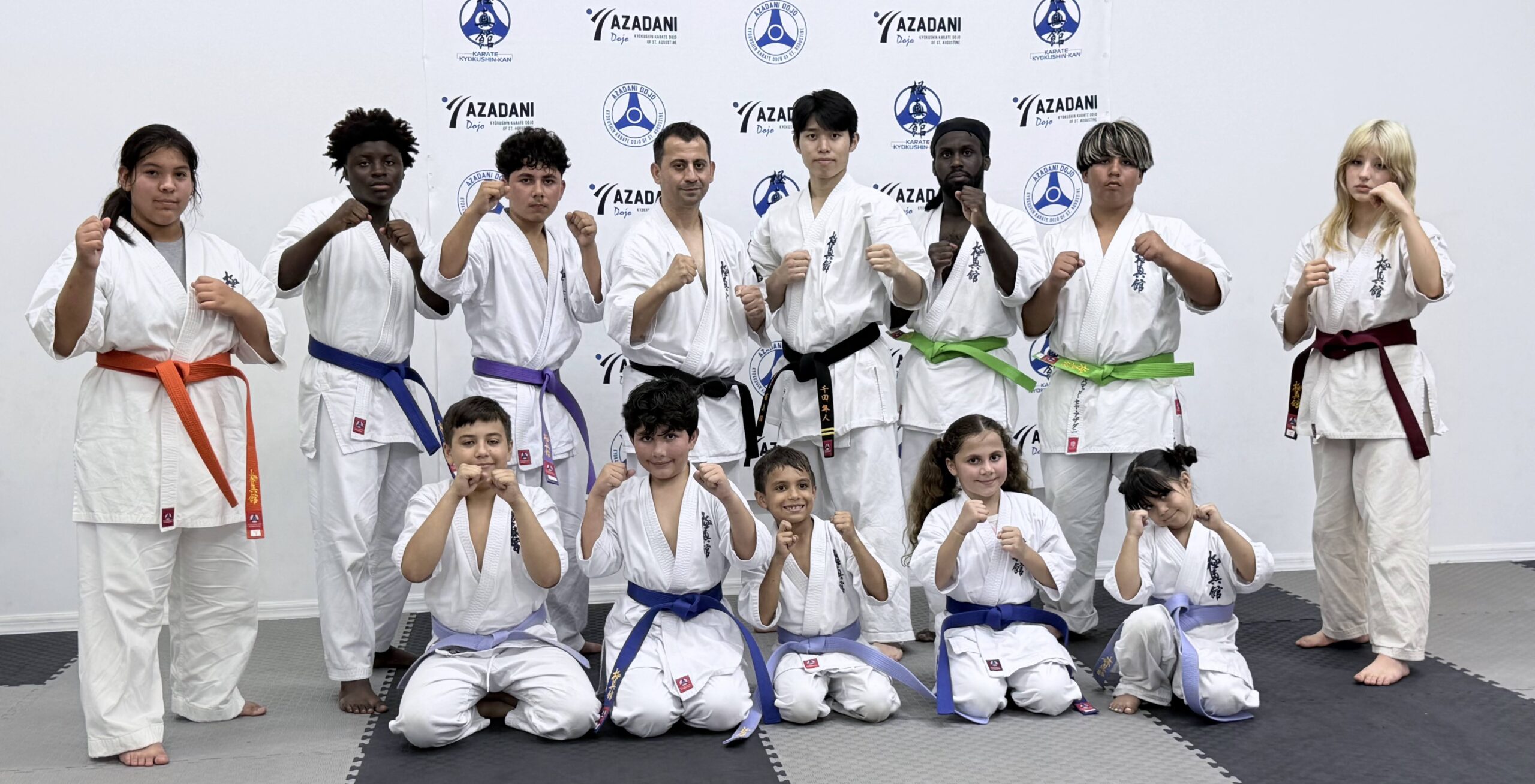
At Azadani Dojo in St. Augustine, Florida, adults can approach training with different interests, including fitness, self-defense, and the desire to learn a martial art. Having several reasons to practice allows progress to feel personal. One student might be pleased with better coordination, while another feels proud of returning consistently after years away from regular exercise. Both have something meaningful to build on.
Familiar Faces Can Help You Stay Consistent
The environment where you exercise can influence whether you look forward to returning. Some adults enjoy the independence of a gym, where they can follow their own plan and train whenever their schedule allows. Others find that regular classes and familiar people make it easier to establish a routine.
In a dojo, relationships develop through shared practice. You begin recognizing your training partners, learning their names, and noticing the skills they’re working on. Encouragement feels more meaningful when it comes from someone who has seen you struggle with a technique and improve it over several classes. Over time, attending becomes an opportunity to spend time with people as well as practice karate.
That sense of belonging can help on evenings when your motivation is low. A scheduled class gives your week some structure, while your instructor and training partners provide a familiar setting to return to. You still need to make the effort to attend, but having people to learn alongside can make that effort feel more worthwhile.
Martial Arts Connects Exercise With a Skill
Adults often find it easier to commit to an activity when they understand what they’re working toward. In karate, practicing a movement helps you explore how balance, positioning, distance, and control work together. Your instructor’s corrections give you a specific direction, so the effort has a clear connection to the skill you’re developing.
This can change how you experience a demanding class. You might finish tired, but you also understand something better than you did when you arrived. Perhaps you learned how to move without losing your stance or how to perform a familiar technique with greater control. That learning gives the session value beyond simply completing a workout.
A gym can offer an equally meaningful sense of purpose for someone who enjoys strength training, running, or another fitness goal. The useful question is which kind of progress interests you enough to keep practicing. For adults drawn to learning a physical skill, martial arts can provide a strong reason to make room for regular activity.
The Focus of Training Can Be Part of the Appeal
A busy day often leaves little room to concentrate on one thing at a time. You may move between work, messages, family responsibilities, and unfinished tasks without feeling fully engaged in any of them. Arriving at a class where you have a clear activity to focus on can offer a welcome change of pace.
Karate asks you to listen, observe, and apply instructions through movement. While you’re trying to coordinate your feet and hands or remember the next part of a sequence, your attention has a practical task. For some adults, that focused time becomes one of the most enjoyable parts of training.
This is also why the experience of a class can matter as much as the physical challenge. Having a regular opportunity to put your phone away and concentrate on learning may make the dojo a part of the week you look forward to. Our article on karate for stress relief explores this side of adult training in more detail.
Consistency Still Takes Effort
Enjoying karate doesn’t mean every class will be easy to attend. Work will sometimes run late, motivation will fluctuate, and certain techniques may remain frustrating longer than you expected. Martial arts requires patience, particularly after the excitement of being a beginner starts to settle into regular practice.
What can help is having several reasons to continue. You might be interested in improving a kata, appreciate your instructor’s guidance, enjoy seeing your training partners, or simply value the routine. When one source of motivation feels weaker, another may still encourage you to return.
It also helps to choose a schedule you can realistically maintain. A routine that fits your responsibilities is more useful than an ambitious plan you can only follow briefly. Consider class times, travel, and your other commitments before deciding what regular attendance will look like. Karate is more likely to become a lasting habit when it has a workable place in your everyday life.
Finding an Activity You Want to Keep Doing
If previous gym memberships haven’t worked out, it may be worth considering what was missing. Perhaps you wanted more guidance, found independent workouts uninteresting, or struggled without a scheduled class. Understanding that experience can help you choose an activity that suits you better.
For anyone considering starting karate as an adult, it helps to know that feeling unfamiliar with the movements is a normal part of beginning. You won’t remember every instruction straight away, and some techniques will feel awkward at first. Returning to practice gives those movements time to become more understandable and comfortable.
You also don’t need to arrive with advanced flexibility or previous martial arts experience. If your current fitness is making you hesitate, our guide to karate for beginners explains how to approach starting and building your abilities gradually. Letting your instructor know about your experience and any limitations can help you discuss an appropriate starting point.
At Azadani Dojo, learning Kyokushin karate gives adults in St. Augustine an opportunity to make movement, practice, and personal development part of their week. You can explore our karate classes in St. Augustine to learn more about the available training options. Trying a class can help you decide whether the learning, structure, and atmosphere are what you’ve been looking for in an exercise routine.