Finishing work doesn’t always mean your day slows down. Even after closing your laptop, you may still be thinking about unanswered emails, tomorrow’s deadlines, and the responsibilities waiting at home. You check your phone during dinner, mentally rearrange your schedule while watching television, and reach bedtime feeling as though you never really stopped working. When that becomes your normal routine, finding time for yourself can feel surprisingly difficult.
For some adults, karate offers a welcome change of pace. A class gives you a place to put your phone away, move your body, and concentrate on something happening right in front of you. You have instructions to follow, techniques to practice, and time set aside for learning. That combination can make training feel like a meaningful break from a day filled with competing demands.
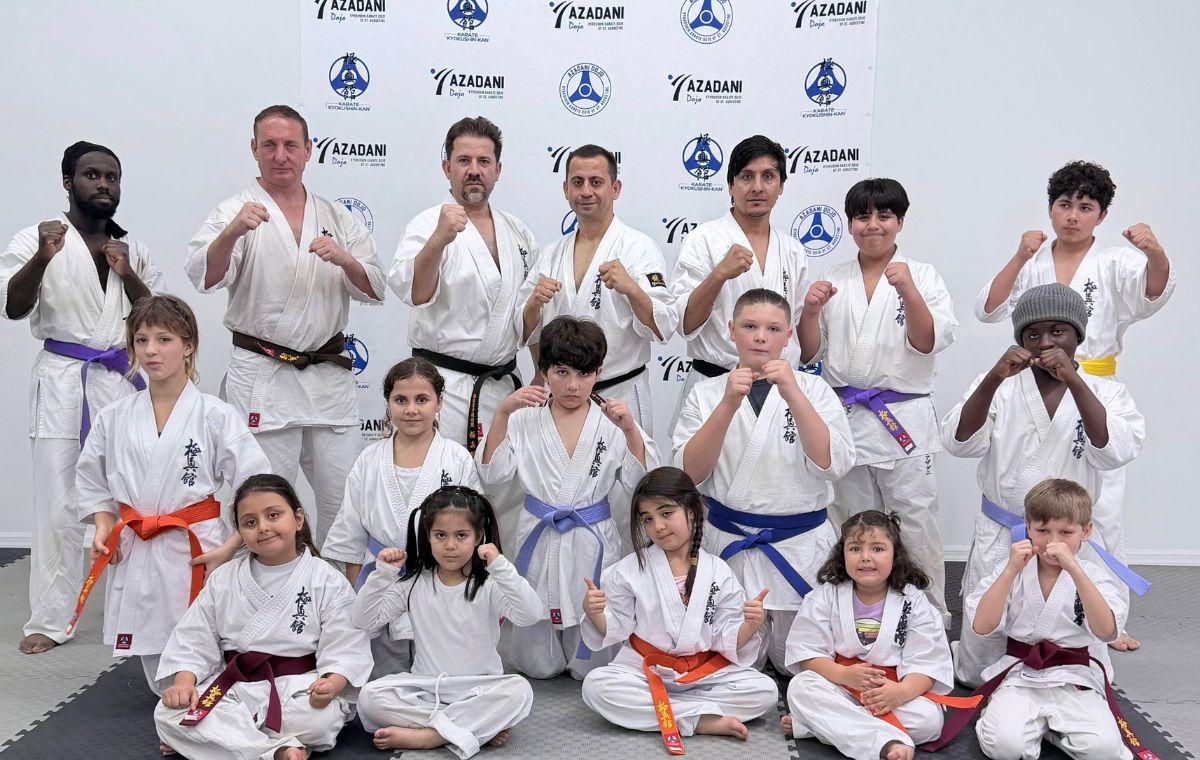
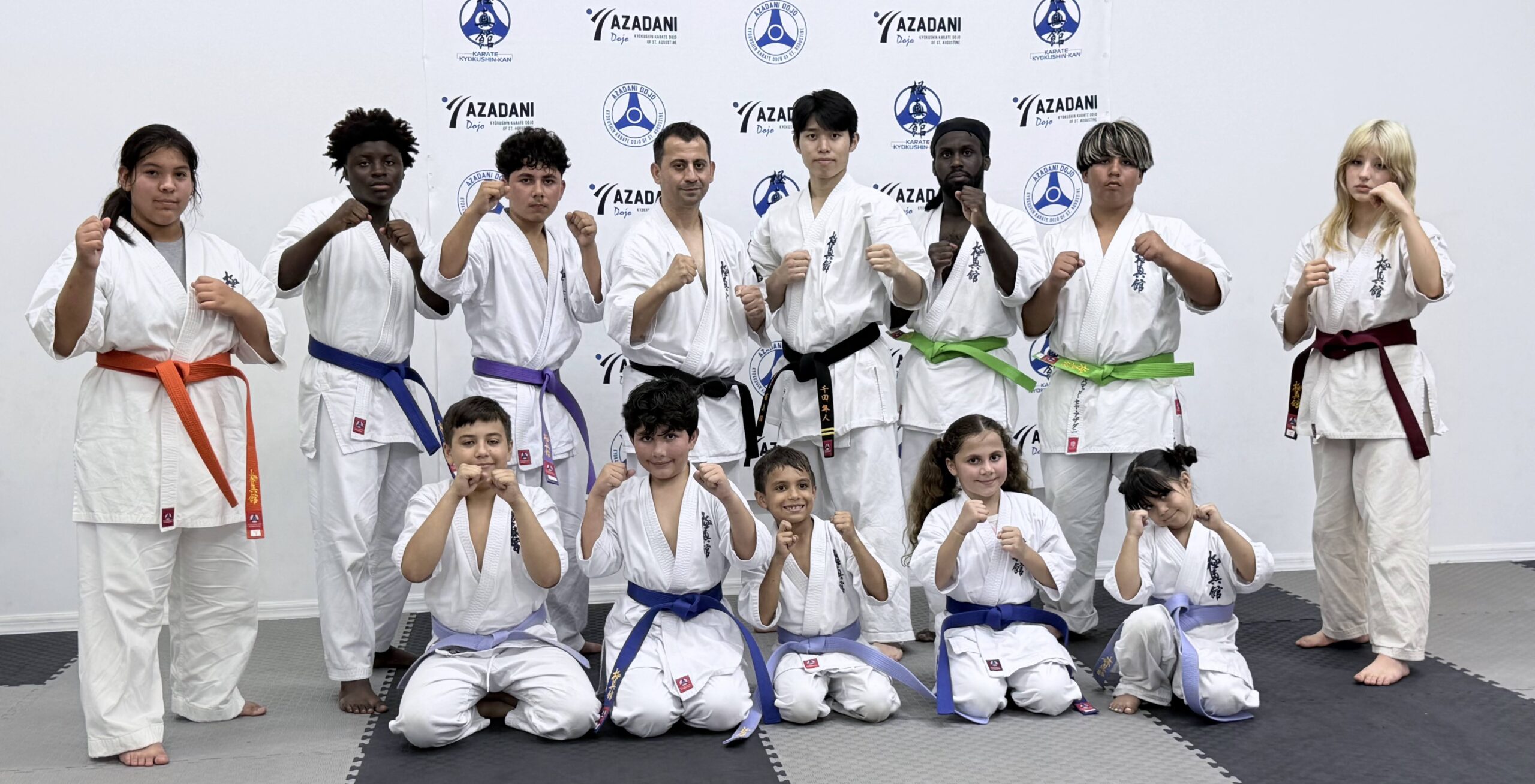
At Azadani Dojo in St. Augustine, Florida, adults can explore karate through fitness, self-defense, and personal development. While everyone arrives with different goals, the experience of learning a martial art can become just as valuable as the physical workout. The structure of a class, the satisfaction of making progress, and the familiarity of training alongside others all give you something positive to build into your week.
A Chance to Give One Thing Your Full Attention
It’s easy to spend an entire day switching between tasks without feeling fully present for any of them. You might answer messages while eating lunch or think about work while spending time with your family. Even free time can become another opportunity to scroll, catch up, or plan ahead. Eventually, concentrating on a single activity starts to feel unfamiliar.
Karate gives your attention a specific job. When your instructor demonstrates a movement, you need to observe how it works and then try it yourself. You might concentrate on the position of your feet, the direction of a turn, or the sequence of a kata. Each task asks you to engage with what you’re doing, which can provide a temporary break from the thoughts that have occupied your day.
You don’t have to arrive with a clear mind or know how to switch off every distraction. Your attention may wander, especially during your first few classes, and that’s understandable. The practice is in noticing where you are and returning to the movement in front of you. Having something practical to focus on can make that easier than simply telling yourself to stop thinking about work.
A Different Rhythm After a Demanding Day
When you’ve spent hours sitting, making decisions, or responding to other people’s needs, a change of activity can be refreshing. Stepping into a dojo introduces a different rhythm. There is a beginning to the class, a period of guided practice, and an ending. For that time, you can follow the lesson without having to organize every detail yourself.
The movements also give you immediate feedback. You can feel when your balance shifts, notice when your shoulders are tense, and work on making a technique more controlled. These small observations bring your attention back to your body and the task you’re practicing. For someone whose day has been dominated by screens and mental demands, that experience can be particularly appealing.
Your responsibilities will still be there when class finishes, and every session won’t leave you feeling the same way. Some days you may enjoy the physical effort most; on others, you may appreciate having spent time away from your phone. Giving yourself that change of pace can be worthwhile without expecting one class to solve everything that made the day difficult.
Confidence Develops Through Small Achievements
Beginning karate can feel awkward, especially if it has been a long time since you tried something unfamiliar. You may need a movement explained several times, forget part of a sequence, or wonder why your hands and feet won’t cooperate. Those experiences are part of learning, and they give you an opportunity to practice being patient with yourself.
As you return to class, you begin noticing small changes. A stance becomes more comfortable, a combination becomes easier to remember, or a correction finally makes sense. These improvements give you concrete evidence that practice is helping. Confidence can grow from that experience because you’ve worked through something that initially felt difficult.
There is also value in having goals that belong to you. Much of adult life involves meeting expectations at work or looking after other people, while training gives you a skill to develop for your own satisfaction. You can take pride in remembering a kata or improving your control without needing to compare your progress with anyone else’s.
If concerns about your fitness are keeping you from trying, our article about getting fit for karate explains how beginners can approach training. You don’t need advanced flexibility or previous martial arts experience to start learning the fundamentals. Talking with your instructor about your current abilities and any limitations can help you understand an appropriate starting point.
The Community Can Become Part of What You Enjoy
Making time for social connection isn’t always easy when your week is already full. You may interact with people throughout the day but still miss the experience of sharing an activity simply because you enjoy it. A regular class creates an opportunity to see familiar faces without needing to arrange a separate gathering each time.
Relationships in a dojo can develop gradually through practice. You work alongside someone, exchange a few words before class, and begin recognizing what they’re learning. Over time, you may find yourself encouraging a training partner through a difficult drill or appreciating their encouragement when you need another attempt. Shared effort provides a natural starting point for conversation.
You don’t need to be especially outgoing to take part. Some adults enjoy the conversations around class, while others prefer to focus quietly on training. Simply becoming familiar with the people and routines can make a new environment feel more comfortable. That sense of belonging may become one of the reasons you look forward to returning.
Making Room for Yourself in a Busy Week
When life feels crowded, personal time is often the first thing to disappear. You may keep postponing exercise or a hobby until work settles down, only to find that another responsibility takes its place. A scheduled karate class gives you a specific time to plan around, which can help turn a vague intention into a regular activity.
The routine needs to fit your life, however. Trying to attend more often than your schedule allows can make training feel like another source of pressure. It’s more useful to choose a manageable starting point and give yourself time to settle in. Consider travel, work commitments, and family responsibilities when deciding how classes might fit into your week.
Your goals can stay manageable too. During the early stages, attending regularly, learning the basic movements, and becoming comfortable asking questions are worthwhile achievements. You can allow the experience to develop without expecting rapid progress or judging every class by how hard you worked. Enjoyment and curiosity deserve a place in the routine as well.
What If Starting Something New Feels Overwhelming?
The idea of joining a class can feel intimidating when you’re already carrying a lot. You may worry about keeping up, making mistakes in front of others, or being the only beginner. It helps to remember that you’re arriving to learn, so unfamiliarity with the movements is expected.
Before attending, you can contact the dojo and ask which class suits a new adult student, what to wear, and how the session is organized. Having those practical details can make the first visit feel more predictable. Arriving a little early also gives you an opportunity to introduce yourself and discuss anything you want the instructor to know.
Understanding the class beforehand may help you feel more comfortable taking that first step. Our guide to your first karate class explains what beginners can expect. You don’t need to memorize everything before attending; the purpose is to give you a clearer picture of the experience.
Exploring Karate for Stress Relief in St. Augustine
Karate can offer a setting for focused activity, personal progress, and connection with others. Whether you enjoy the concentration required by a kata, the challenge of learning a technique, or the familiarity of a regular class, those experiences can make training a rewarding part of your week. Your reasons for attending may also change as you become more comfortable.
It’s sensible to keep expectations realistic. Karate is an activity you can enjoy as part of looking after yourself, and it isn’t a substitute for professional mental health care when that is needed. You can value the routine and the opportunity to train while recognizing that ongoing stress may require attention beyond the dojo.
At Azadani Dojo in St. Augustine, adults can begin learning Kyokushin karate without previous martial arts experience. If you’re interested in starting karate as an adult, our beginner’s guide explores common questions and experiences. Your first visit is an opportunity to meet the instructor, get a feel for the environment, and decide whether training offers the kind of personal time you’ve been missing.