Before enrolling your child in karate, you probably want to understand what happens during a lesson. Will the instructor explain everything clearly? What if your child struggles to follow a movement or feels nervous about joining the group? You may also wonder how much physical contact is involved and whether the class will suit a child who has never tried martial arts.
A beginner karate class introduces children to the movements, routines, and expectations of training gradually. Students learn basic techniques, practice following instructions, and become familiar with working alongside others. The exact activities vary by age, experience, and the instructor’s lesson plan, but knowing the general structure can help you prepare your child for their first visit.
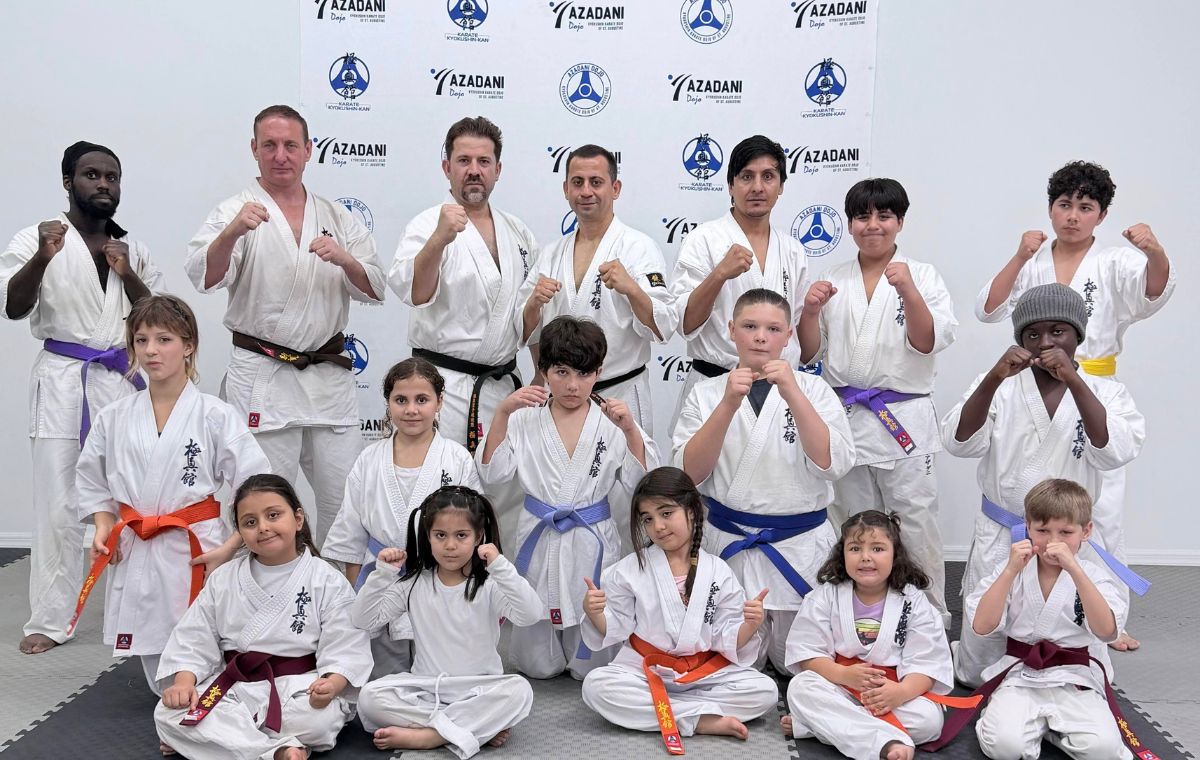
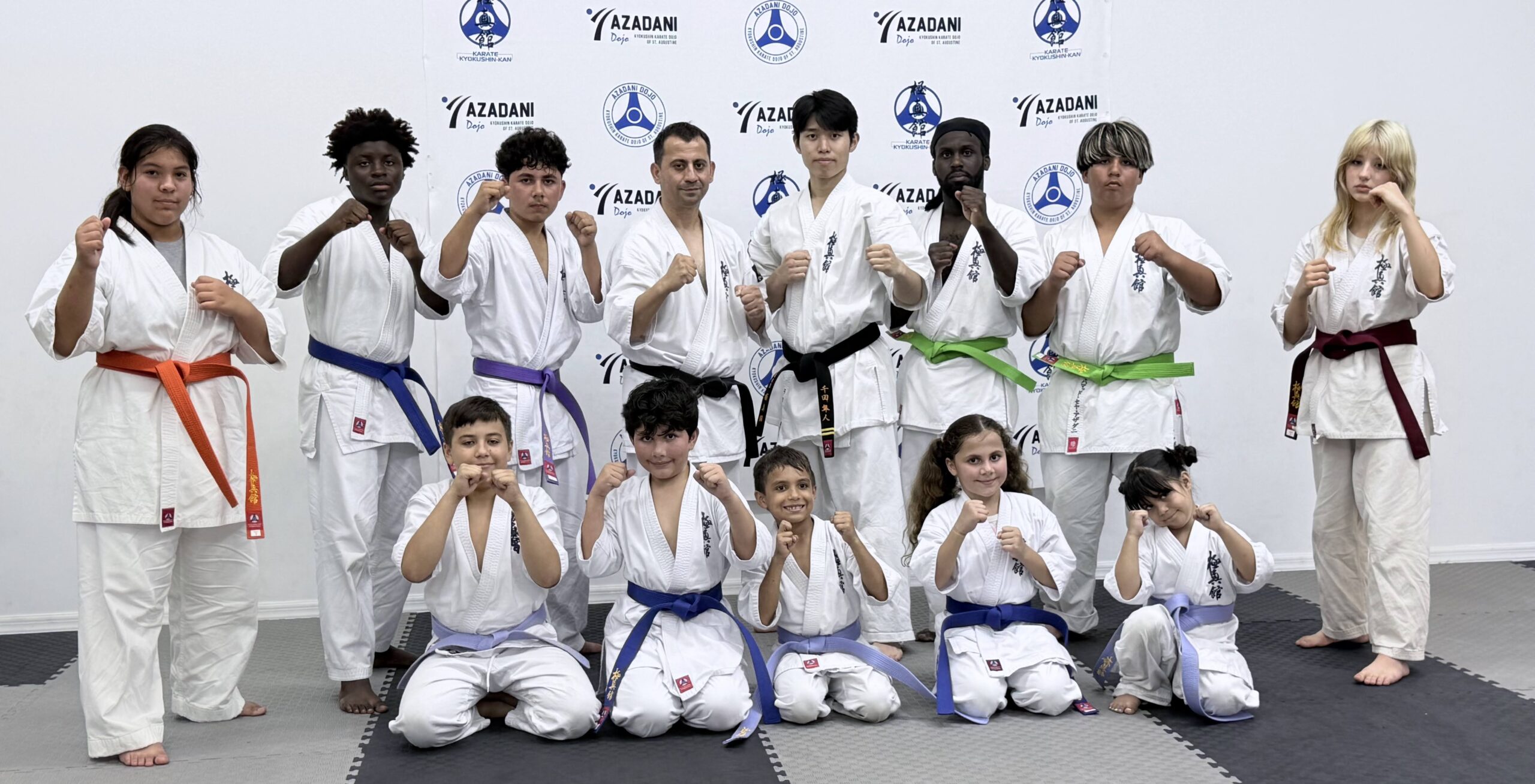
At Azadani Dojo in St. Augustine, Florida, families can explore how karate training fits their child’s interests and experience level. This guide explains the main parts of a typical lesson and what parents can look for when observing. If you’re still considering whether the activity is suitable overall, our article, is karate good for kids, explores that decision in more detail.
Arriving and Becoming Familiar With the Dojo
The first visit involves learning a few practical details before training begins. Your child needs to know where to leave their belongings, when to remove their shoes, and where to stand or wait. Arriving a little early gives you time to meet the instructor and ask questions without feeling rushed.
Children respond differently to an unfamiliar setting. Some are ready to join immediately, while others prefer to watch and understand what is happening first. Letting the instructor know that your child is new, hesitant, or unsure about group activities helps start a useful conversation about how to introduce them to the lesson.
The opening routine gives students a clear beginning to class. They may line up, follow a greeting or bow, and listen to the instructor’s directions. A new student doesn’t need to understand every custom straight away. These routines become more familiar through participation and explanation.
Warming Up Before Technique Practice
The warm-up introduces physical activity before the main lesson. It may include light movement, mobility exercises, and simple coordination tasks appropriate to the group. The instructor explains or demonstrates what to do so students can follow along and begin paying attention to how they move.
For children coming from school, this is also a change of pace. They have an opportunity to move while following a shared activity. The warm-up helps establish the rhythm of listening, trying an exercise, and responding to the next instruction.
A beginner may need help understanding an exercise or coordinating their movements. Parents should tell the instructor about any relevant limitations before class so they can discuss appropriate participation. If you’re unsure whether your child is ready for a structured lesson, our guide to the best age to start karate in St. Augustine explains what to consider.
Learning Basic Stances, Punches, Blocks, and Kicks
The technical part of class introduces the foundations of karate. Beginners may practice how to stand, position their hands, perform a basic block, or attempt a controlled punch or kick. The instructor demonstrates the movement and breaks it into parts that students can work through.
A technique can look simple while still requiring considerable attention from a child. They may remember what their hands should do but forget where to put their feet. The instructor’s correction helps them concentrate on one detail at a time, making the task easier to understand.
Repetition gives children opportunities to apply that guidance. They aren’t expected to perform everything correctly on their first attempt, and familiar techniques remain part of training as students progress. A child who has learned the basic shape of a movement can then work on balance, posture, or control.
Practicing Listening and Attention Throughout the Lesson
Listening is connected to almost every activity in a karate class. Children need to watch demonstrations, wait for instructions, and understand when to begin or stop. These expectations give attention a practical purpose because listening helps them know what to do next.
Younger students may need reminders, particularly when a task is unfamiliar or they’re excited to move. Clear, specific guidance is more useful than expecting perfect concentration throughout the lesson. An instructor might repeat a direction, demonstrate again, or shorten a sequence so the student has a manageable task.
With experience, children can become more familiar with these routines and need less help following them. Changes outside the dojo vary, so parents should avoid expecting a few lessons to transform classroom behavior. Our article on how karate helps kids with focus in school explores the connection between the habits practiced during training and learning elsewhere.
Understanding Partner Exercises and Contact
Depending on the lesson and their experience, children may practice with a partner. This can involve taking turns, learning distance, or responding to an agreed movement. The exercise should have a clear purpose, with the instructor explaining what each student is expected to do.
Partner drills and sparring are different parts of training. A child practicing a supervised exercise with another student is not necessarily taking part in sparring. Parents should ask how the school introduces partner work, what contact is permitted, and which protective equipment is required for particular activities.
Control and communication matter throughout these exercises. Students need to follow the instructions, respect their partner’s space, and stop when directed. When observing a class, notice how the instructor supervises the group and responds if a student becomes uncomfortable or needs help.
Learning Discipline Through Clear Expectations
Discipline in a children’s class becomes meaningful through everyday actions. Students practice waiting their turn, handling equipment appropriately, listening during explanations, and following the rules of an exercise. Consistent expectations help them understand how to participate successfully.
A structured class should still make room for questions and mistakes. When a child forgets an instruction, the teacher can explain what needs to change and help them rejoin the activity. This gives the child an opportunity to correct their behavior and continue learning.
At Azadani Dojo, structure and respect are part of the training environment. Parents can observe how those expectations are communicated and whether the approach suits their child. If you’re comparing programs, our guide to choosing the right karate school in St. Augustine offers additional points to consider.
Receiving Corrections and Encouragement
Learning karate involves frequent adjustments, and the way an instructor delivers feedback matters. A useful correction tells the child what to work on, such as changing the position of a foot or slowing a movement down. This gives them a practical next step instead of leaving them unsure about what went wrong.
Encouragement is most helpful when it recognizes something specific. A student may have remembered an instruction, maintained their balance, or kept trying after a difficult attempt. Noticing those efforts helps children understand that progress includes small improvements within an ordinary lesson.
Some skills will take longer than others to develop. A child can finish class having made progress without mastering the technique completely. Parents can support that perspective by asking what their child learned or enjoyed rather than focusing only on whether they performed everything correctly.
Bringing the Class to a Close
The closing routine gives students a clear end to the lesson. They may line up, listen to final instructions, and acknowledge the instructor and classmates through a bow. There may also be reminders about the next lesson or something the group has been practicing.
Children can leave with different impressions of the same class. One may be excited about a new kick, while another feels pleased that they remembered where to stand. A student who found the lesson challenging may need time to think about the experience before talking about it.
A simple conversation afterward can help you understand how your child felt. Ask which activity they liked, whether anything confused them, and if they would like to try it again. Their answers are useful alongside your own observations of the teaching and atmosphere.
What to Expect During the First Few Classes
The earliest signs of progress may be familiarity rather than noticeable technical ability. Your child might recognize the opening routine, remember an instruction, or feel more comfortable speaking to the teacher. These changes help them participate more confidently as the movements become familiar.
It’s also normal for enthusiasm and comfort to vary between lessons. A child may enjoy one activity and find another difficult. Staying in touch with the instructor can help you understand whether they need more time, a clearer explanation, or a different approach to a particular task.
Avoid judging the entire experience by one hesitant moment or expecting a fixed timeline for improvement. Look at whether your child is receiving useful guidance, becoming more comfortable, and finding something they enjoy about learning karate.
Helping a Nervous Beginner Take the First Step
You don’t need to promise your child that everything will be easy. A more helpful explanation is that they’ll meet the instructor, try some new movements, and receive help when they need it. Knowing that mistakes are expected can make the first visit feel more manageable.
Before attending, ask the dojo what your child should wear, what to bring, and whether parents can observe. You can also discuss how the instructor introduces a student who prefers to watch before participating. Having those details helps both you and your child know what to expect.
Your child’s starting point may include shyness, excitement, or uncertainty. The aim of the first lesson is to begin becoming familiar with the environment and the basic activities. There will be time to develop skills as they continue.
Exploring Kids’ Karate Classes in St. Augustine
A kids’ karate lesson brings together movement, technique practice, listening, and interaction with other students. The value of the experience depends on how those activities are taught and how your child responds. Observing a class gives you a chance to see the instruction, ask practical questions, and decide whether the setting feels suitable.
At Azadani Dojo in St. Augustine, families can learn more about the available programs and discuss an appropriate starting point for their child. You don’t need to arrive with every question answered. Meeting the instructor and seeing a lesson can make the decision clearer.
Explore our karate classes in St. Augustine to understand how the programs are organized and plan your next step. A first visit gives your child the opportunity to experience the class and discover what interests them about karate.