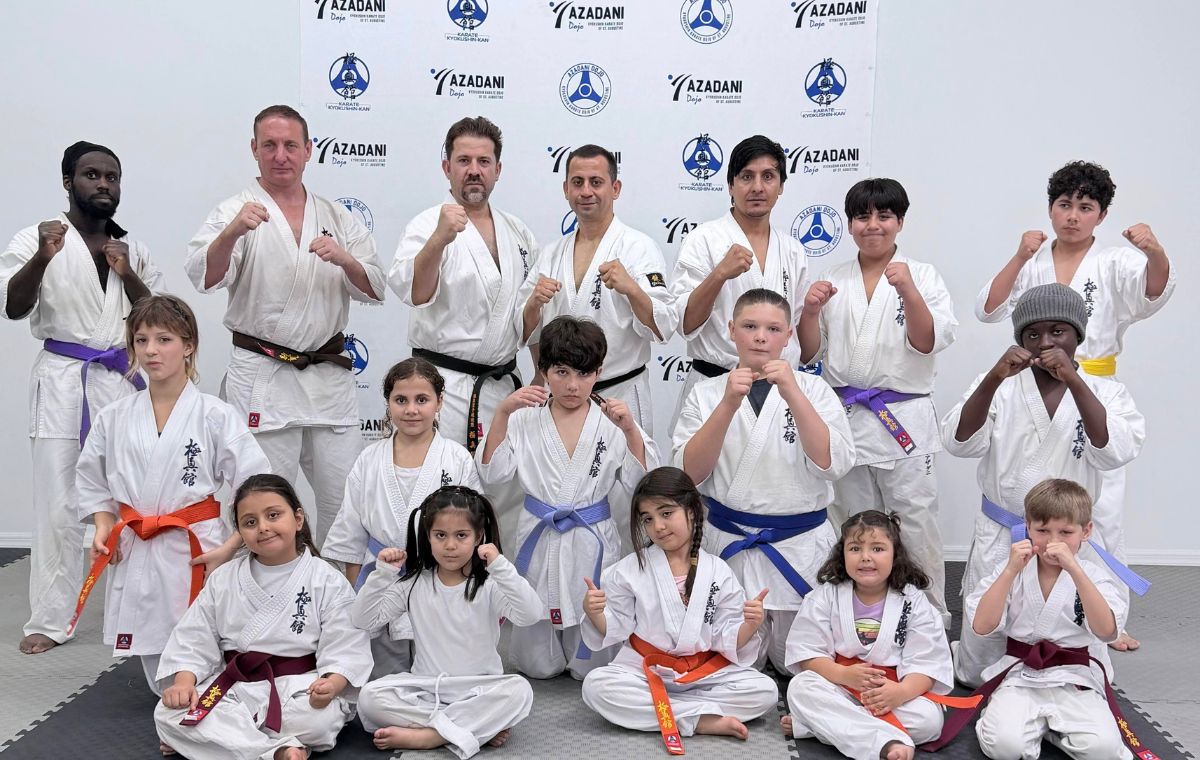
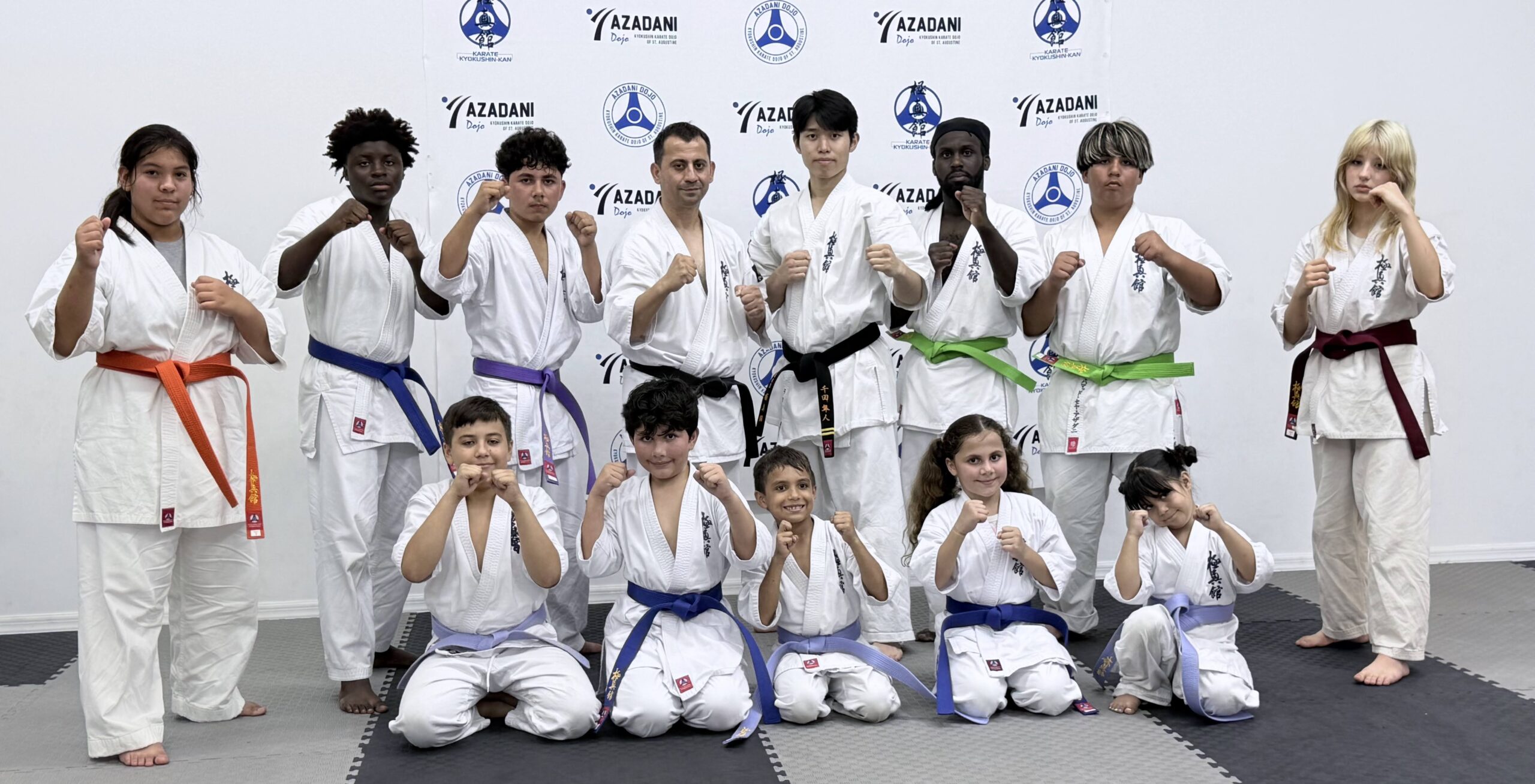
Every parent wants their child to be strong.
Watching your child struggle with something difficult can bring mixed feelings. You want to help when homework becomes frustrating, a new activity feels intimidating, or a disappointment affects their confidence. At the same time, you want them to discover that they can work through challenges with patience, guidance, and practice.
Karate gives children and teenagers opportunities to experience that process through physical learning. A movement may feel awkward at first, a sequence may take several lessons to remember, and a correction may require another attempt. With suitable instruction, these everyday moments give students practice in responding to difficulty and recognizing their own progress.
For families in St. Augustine, Florida, this is one reason to consider karate beyond its physical techniques. At Azadani Dojo, training brings together focused practice, clear expectations, and opportunities for personal development. If you’re exploring the broader benefits before choosing an activity, our guide, Is Karate Good For Kids, discusses what parents should consider.
What Mental Toughness Means for Children and Teenagers
Mental toughness can be understood as the ability to respond constructively when something is challenging. For a child, that might mean asking for help with an unfamiliar movement, listening to a correction after a mistake, or returning to a task that felt frustrating. For a teenager, it might involve staying patient with slow progress or continuing to practice without constantly comparing themselves with others.
These abilities leave room for emotions. A student can feel disappointed, nervous, or frustrated and still learn how to choose a useful next step. Recognizing when to pause, communicate a concern, or seek support is part of handling a challenge well. Children should feel able to speak up about pain, discomfort, or anything they don’t understand during training.
Expectations should also reflect age and readiness. A younger child may be practicing how to wait for an instruction, while an older student is learning to work through a longer sequence independently. Our guide to the best age to start karate in St. Augustine explains how parents can think about an appropriate starting point.
Manageable Challenges Give Students Something to Work Through
Children need opportunities to attempt tasks that require effort, along with enough support to make progress possible. In karate, an instructor can adjust a challenge by breaking a movement into smaller parts, demonstrating it again, or asking a student to concentrate on one detail.
For example, a child learning a combination may struggle to coordinate their hands and feet. Practicing the footwork separately gives them a clearer task. Once that becomes more familiar, they can begin adding the other movements. The challenge remains, but there is now a practical route through it.
This experience helps give persistence a purpose. The student learns to observe what happened, use feedback, and make an adjustment. Over time, those repeated attempts can provide evidence that initial difficulty doesn’t determine what they will eventually be able to do.
Learning to Respond to Frustration
Frustration is a normal part of learning a physical skill. A child may understand the instruction but find that their body doesn’t follow it immediately. A teenager may become annoyed when a technique they performed well last week feels difficult again. These moments call for patient teaching and realistic expectations.
An instructor can help by identifying one useful change. Instead of asking a frustrated student to fix everything at once, they might focus on the position of a foot or the timing of a turn. A specific correction gives the student somewhere to direct their attention and makes the next attempt feel more manageable.
Parents can reinforce this approach by asking what helped when something felt difficult. A child might explain that they slowed down, watched another demonstration, or asked a question. Recognizing those actions helps them see that working through frustration involves strategies they can practice.
Focus Develops Through Clear Tasks and Repetition
Karate asks students to listen, observe, remember, and act on instructions. During a lesson, they may need to watch a demonstration closely, wait for a signal, and then repeat the movement while paying attention to a particular detail. These tasks give concentration an immediate purpose.
Familiar routines can support that process. When children understand how a class begins and how activities are introduced, they have fewer practical uncertainties to navigate. They can gradually devote more attention to the technique itself, although reminders and repeated explanations may still be needed.
Progress in focus can be modest and specific. A student may remember a longer sequence, respond more consistently to an instruction, or return to the activity after becoming distracted. Those developments are worth noticing without expecting attention to improve at the same rate in every setting.
Confidence Grows From Recognizing Personal Progress
Children often compare themselves with classmates, especially when another student appears to learn a skill quickly. In karate, it helps to bring attention back to what each student is working on and how their own understanding has changed.
A child who once needed help remembering a sequence may begin completing it independently. Another may maintain better balance during a familiar kick or feel comfortable asking the instructor a question. These are concrete examples of progress that the student can connect to their practice.
Specific encouragement makes that connection clearer. Pointing out an improvement in control or remembering an instruction tells a child what they did well. It also gives them something useful to build on, especially during periods when a new belt or larger achievement is still some distance away.
Belt Progression Introduces Longer-Term Goals
Belt requirements can give students a way to organize their learning over time. A grading may involve demonstrating techniques and meeting expectations appropriate to that level. Preparing for it introduces the idea that a larger goal is reached through smaller pieces of regular practice.
The instructor’s explanation matters. Students should understand what they are learning, which areas need more attention, and how readiness is assessed. Clear feedback helps them focus on developing the required skills rather than simply counting the weeks until a promotion.
Children may feel disappointed if they need more preparation than expected. That can become a useful learning moment when the instructor acknowledges the feeling and explains the next steps respectfully. A belt should represent demonstrated learning, while the student’s effort and smaller improvements continue to receive recognition along the way.
Teenagers Benefit From Goals They Can Take Ownership Of
Teenagers often have several demands competing for their attention, including schoolwork, friendships, and decisions about their future. A regular karate class can provide a defined activity where they have specific skills to work on and feedback about their progress.
As students mature, they can take greater responsibility for their learning. A teenager might identify a technique they want to improve, ask a more detailed question, or set a realistic attendance goal. Having a voice in that process can make training feel personally meaningful.
The social environment matters as well. Teens should be able to learn without being embarrassed for making mistakes or needing clarification. An instructor who treats them respectfully while maintaining clear expectations helps create room for both independence and guidance.
Practicing Self-Control With Training Partners
Working with another student adds responsibilities beyond remembering a technique. Partners need to follow the agreed exercise, respect distance, control their movements, and stop when instructed. Their decisions affect someone else’s experience, making cooperation an essential part of practice.
A student who becomes frustrated needs to communicate and regain control before continuing. The instructor can guide that response and adjust the exercise where necessary. Asking for help or taking an appropriate pause is a responsible choice.
These moments give children practical opportunities to consider their actions before responding. The lesson becomes part of the activity itself: listen to the instructions, notice your partner, and carry out the task with care.
Consistency Gives Learning Time to Develop
One encouraging class can make a strong impression, but skills become more familiar through repeated practice. Returning regularly gives students opportunities to revisit corrections, recognize patterns, and discover improvements they might not notice after a single lesson.
A manageable routine is more useful than an overly demanding schedule. Children and teenagers need time for school, rest, friendships, and other interests. Families can discuss attendance expectations with the instructor and choose an approach that fits their responsibilities.
There is no fixed timetable for becoming more resilient or confident. A student may progress quickly in one area and need longer in another. Looking at their experience across several lessons gives a fairer picture than judging every class as a success or failure.
How Parents Can Support the Learning Process
Parents can help by showing interest in the experience without making every conversation about performance. Asking what your child enjoyed, what felt difficult, or what they want to practice next gives them space to reflect. Their answer may reveal a small achievement that wasn’t obvious from the sidelines.
It also helps to acknowledge disappointment before offering encouragement. If a technique felt frustrating, your child may first need to know you understand why they were upset. You can then ask whether they received any guidance or what might help during the next lesson.
Connections with everyday life can be made gently. When homework feels difficult, you might remind your child of a time they learned a karate sequence in smaller sections. This gives them an example to draw on without assuming that success in the dojo automatically resolves challenges elsewhere.
Choosing a Supportive Karate School in St. Augustine
The way a school handles difficulty is central to this kind of learning. When observing a class, watch what happens when a child forgets an instruction, becomes frustrated, or needs another explanation. Useful teaching combines clear expectations with feedback the student can understand and apply.
Ask how the instructor supports beginners, introduces partner exercises, and adjusts tasks for different experience levels. Children should have opportunities to ask questions and express concerns. A demanding lesson can still be respectful and responsive to individual needs.
At Azadani Dojo in St. Augustine, families can explore the training environment and discuss what they hope their child will gain from karate. Our guide explains how to choose the right karate school in St. Augustine and what to consider during a visit.
Giving Your Child Room to Grow Through Karate
Karate provides repeated opportunities to practice useful responses to challenges: listening carefully, asking for guidance, adjusting an approach, and recognizing gradual improvement. These experiences can help children and teenagers develop confidence in their ability to learn, especially when the adults around them value both effort and understanding.
At Azadani Dojo, you can start with a conversation about your child’s interests, experience, and concerns. Visiting a lesson allows you to see how instruction works and whether the atmosphere feels suitable. Your child doesn’t need to arrive already confident or comfortable with every challenge.
If your family is preparing for a visit, our guide to what to expect in your first karate class explains what to expect. Knowing what happens during a lesson can make that first step feel more familiar and give your child room to approach it with curiosity.