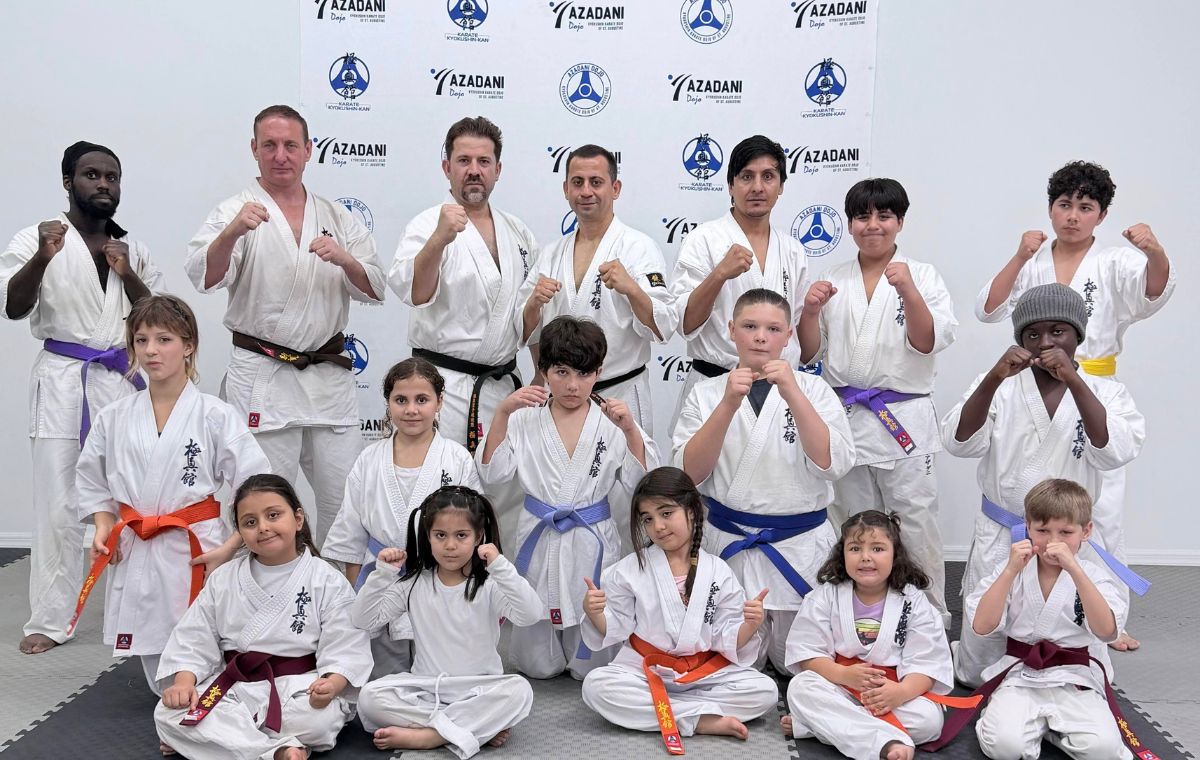
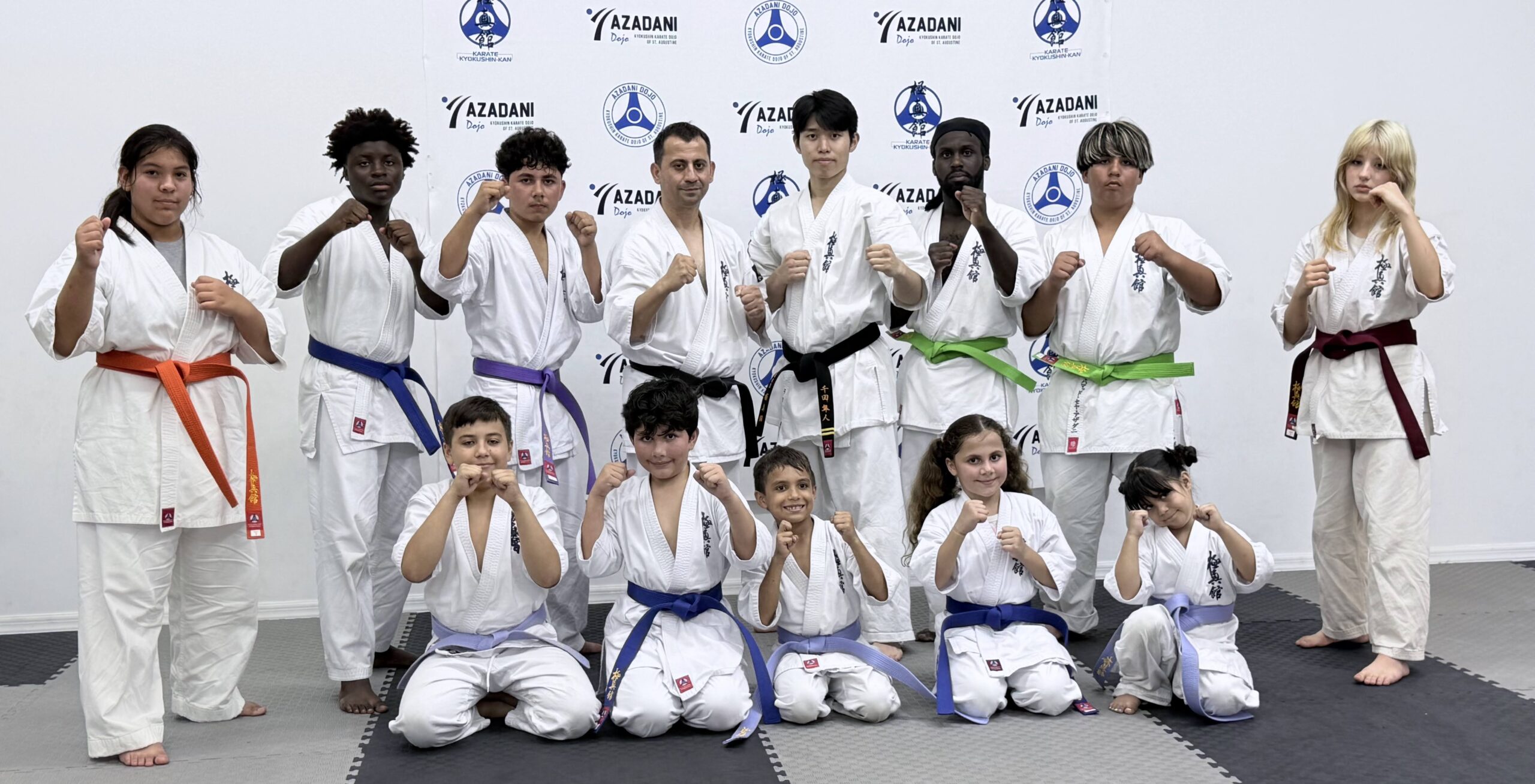
What does a real karate class actually feel like for a student?
Before joining a karate class, it’s natural to wonder what the experience will actually feel like. You may have seen photographs of students lined up in uniforms or watched a demonstration of advanced techniques, but those moments show only part of training. A regular class includes explanations, repeated practice, questions, corrections, and small discoveries that gradually make unfamiliar movements feel more comfortable.
For parents in St. Augustine, Florida, understanding that everyday experience can make it easier to decide whether karate might suit their child. You might want to know how beginners settle in, how instructors handle mistakes, or whether your child will enjoy the routine. Adults considering karate often have similar questions, especially if they haven’t joined a new activity in years.
Although lessons vary according to age, experience, and the instructor’s plan, the following walkthrough offers a picture of what a training day can involve. At Azadani Dojo, the experience centers on learning karate through guided practice, with opportunities to develop skills alongside other students. If you’re still considering the broader question of whether karate suits your child, our guide, is karate good for kids, explores what parents should consider before enrolling.
Arriving at the Dojo
A training day begins with the practical routine of getting ready and arriving for class. For a child, that may mean changing after school, gathering their training clothes, and heading to the dojo with a parent. An adult may be coming directly from work. Arriving with enough time to prepare helps avoid feeling rushed and gives a new student an opportunity to ask questions before the lesson starts.
Inside the dojo, students begin getting ready for practice. They put their belongings in the appropriate place, remove their shoes before entering the training area, and follow the instructor’s guidance about where to wait. These details may feel unfamiliar during the first visit, but they become easier to remember as the student returns.
A beginner doesn’t need to understand every custom immediately. Watching, listening, and asking for help are part of learning how the class works. At Azadani Dojo in St. Augustine, this introduction gives students a chance to become familiar with the environment while beginning to understand the expectations around respect and participation.
Settling Into the Class Routine
The beginning of class marks a transition from the rest of the day into training. Students may arrive excited, distracted, tired, or a little nervous. Following the opening routine gives them a clear place to direct their attention and helps establish what they are there to practice.
For younger students, learning this routine is an achievement in itself. Finding their place, listening while someone speaks, and waiting for an instruction are all parts of participating in a group lesson. Some children become comfortable quickly, while others need reminders and more time to understand what happens next.
The instructor’s role is to make expectations understandable. A clear instruction about where to stand or when to begin gives students something specific to follow. With repeated experience, the opening of class becomes familiar, allowing them to spend less time wondering what to do and more time engaging with the lesson.
Warming Up and Beginning to Move
The warm-up introduces movement before students begin the main technical work. Depending on the class, this may include light activity, mobility exercises, and simple movements chosen for the students’ ages and experience. The instructor demonstrates or explains each task so the group can follow along.
For a child who has spent much of the day at school, this can be an enjoyable change of pace. They have space to move while still working within clear instructions. Adults also have an opportunity to shift their attention toward their bodies and the activity ahead.
A beginner may need time to understand an exercise or coordinate a movement. That is part of becoming familiar with training. Students should communicate when something is uncomfortable or when they don’t understand an instruction, so the instructor can provide guidance about how to proceed.
Practicing the Fundamentals
After warming up, the lesson moves into technique practice. A beginner might work on a basic stance, punch, block, or kick, while a more experienced student concentrates on combinations or finer details. Even when students practice the same movement, the instructor may give them different points to focus on.
The process involves observing a demonstration, attempting the movement, and making adjustments based on feedback. For example, a student may understand where their hands should finish but need help positioning their feet. Breaking the movement into smaller parts makes it easier to identify what needs attention.
Repeated practice gives the student a chance to apply that correction. The first attempt may still feel awkward, and the next few may require concentration. As the movement becomes more familiar, the student can begin paying attention to another detail, such as posture or balance. This is why basic techniques remain part of training even as students gain experience.
Working Through a Difficult Moment
During a lesson, there may be a point when a movement doesn’t make sense or a sequence is difficult to remember. A child might become frustrated because they understood the demonstration but can’t reproduce it yet. An adult may feel the same frustration, particularly when an apparently simple movement requires more coordination than expected.
Useful instruction gives the student a manageable next step. The teacher might demonstrate again, slow the exercise down, or ask the student to focus on one part of the technique. That approach helps turn a vague feeling of difficulty into something specific they can practice.
Progress doesn’t always mean mastering the movement before class ends. It may mean understanding the correction or completing one part more consistently. Recognizing those smaller developments gives students a realistic way to assess their effort and something to return to during the next lesson.
Learning Alongside Other Students
Karate involves individual development, but students share much of the learning experience. They practice in the same space, respond to group instructions, and may take part in partner exercises appropriate to the lesson. These interactions require attention to the people around them as well as their own movements.
Partner practice introduces responsibilities such as taking turns, following the agreed exercise, and stopping when instructed. The instructor explains the task and supervises how it is carried out. Beginners need clear guidance about distance, control, and what is expected of each person.
For children, these experiences can also make classmates feel more familiar. Working with someone on a defined activity provides a natural way to interact without having to start a conversation from scratch. If you’re wondering whether your child is ready for this kind of group participation, our guide to the best age to start karate in St. Augustine discusses factors parents can consider.
Finding Focus Through a Specific Task
Attention during karate has a practical purpose. A student needs to watch where a movement begins, listen for a correction, and remember what to do next. Instead of being asked simply to “focus,” they have a task that requires their attention.
That doesn’t mean students remain perfectly attentive throughout every class. Younger children may need reminders, and anyone can lose track of an instruction when something is unfamiliar. What matters is having a clear way to return to the activity, whether through another demonstration or a brief explanation.
As routines and movements become familiar, students may need fewer reminders for those particular tasks. Parents can notice these changes without expecting immediate improvements in every setting. Our article on how karate helps kids with focus in school explores how the habits practiced during training may relate to learning elsewhere.
Noticing Small Achievements
Some of the most satisfying moments in class are easy to miss from the sidelines. A student remembers a sequence that confused them last week, maintains their balance during a turn, or applies a correction without needing another reminder. These moments show that practice is beginning to make a difference.
Specific feedback helps students understand what went well. Hearing that their stance stayed steady gives them clearer information than general praise alone. It also helps them connect their effort with the improvement they can see or feel.
For a new student, an achievement might be participating more comfortably or asking a question when they need help. These experiences deserve recognition alongside technical progress. They help make the class feel like a place where learning is possible, even when some movements remain challenging.
Bringing the Lesson to a Close
As the session finishes, students return their attention to the instructor and follow the closing routine. This may include final guidance, reminders, and a respectful acknowledgment of the lesson. The ending gives the class a clear sense of completion before everyone gathers their belongings and leaves.
A student might finish pleased with something they learned, curious about a correction, or aware of a movement they want to understand better. Every class won’t feel like a breakthrough. Sometimes the value lies in returning to familiar basics and giving them another period of careful practice.
For parents, the trip home can be an opportunity to hear about the experience without turning it into an assessment. Asking which part your child enjoyed or what they found interesting invites them to describe the lesson in their own words. They may mention something very different from what you noticed while watching.
Between One Class and the Next
Karate becomes part of a student’s routine through the practical steps of preparing, attending, and returning. Remembering training clothes, being ready to leave on time, and looking after equipment give children opportunities to take responsibility in ways appropriate to their age.
Some students enjoy thinking about a technique between lessons or practicing a simple exercise their instructor has assigned. Any home practice should follow the instructor’s guidance and suit the available space. Children shouldn’t use siblings or friends as practice partners for strikes or contact exercises outside supervised training.
Parents can support the routine by showing interest and noticing effort without expecting constant improvement. A child may need several classes to understand something, and progress may become clearer over time. Keeping the experience manageable gives them room to learn without making every session feel like a test.
Why Students Look Forward to Returning
Different parts of karate appeal to different students. One child may enjoy remembering a kata, another may like partner drills, and an adult may appreciate the concentration required by technique practice. Familiar classmates and an instructor who explains things clearly can also become important reasons to return.
The combination of routine and continuing challenges gives students something recognizable while leaving room for discovery. A familiar movement may become interesting again when the instructor introduces a detail they hadn’t noticed. A task that once felt difficult may become a useful reminder of how much they have learned.
For families, the most helpful signs are often practical: your child talks about the lesson, feels comfortable asking questions, or shows interest in attending again. Those observations give you a clearer picture of their experience than expecting every class to produce a visible change.
Experiencing a Karate Class at Azadani Dojo
A regular karate lesson brings together movement, instruction, repetition, and shared practice. Much of the experience consists of ordinary learning moments: watching carefully, trying something unfamiliar, receiving help, and gradually understanding what to do. Those moments are what make progress possible.
For families and adults in St. Augustine, Florida, visiting Azadani Dojo offers an opportunity to see how that process works in person. You can meet the instructor, observe the atmosphere, and ask how a beginner would join the class. Seeing the lesson firsthand can help you decide whether the routine and teaching approach suit what you’re looking for.
To learn how programs are organized for different ages and experience levels, explore our karate classes in St. Augustine. Your first visit can begin with questions and curiosity, giving you a chance to understand the experience before taking the next step.