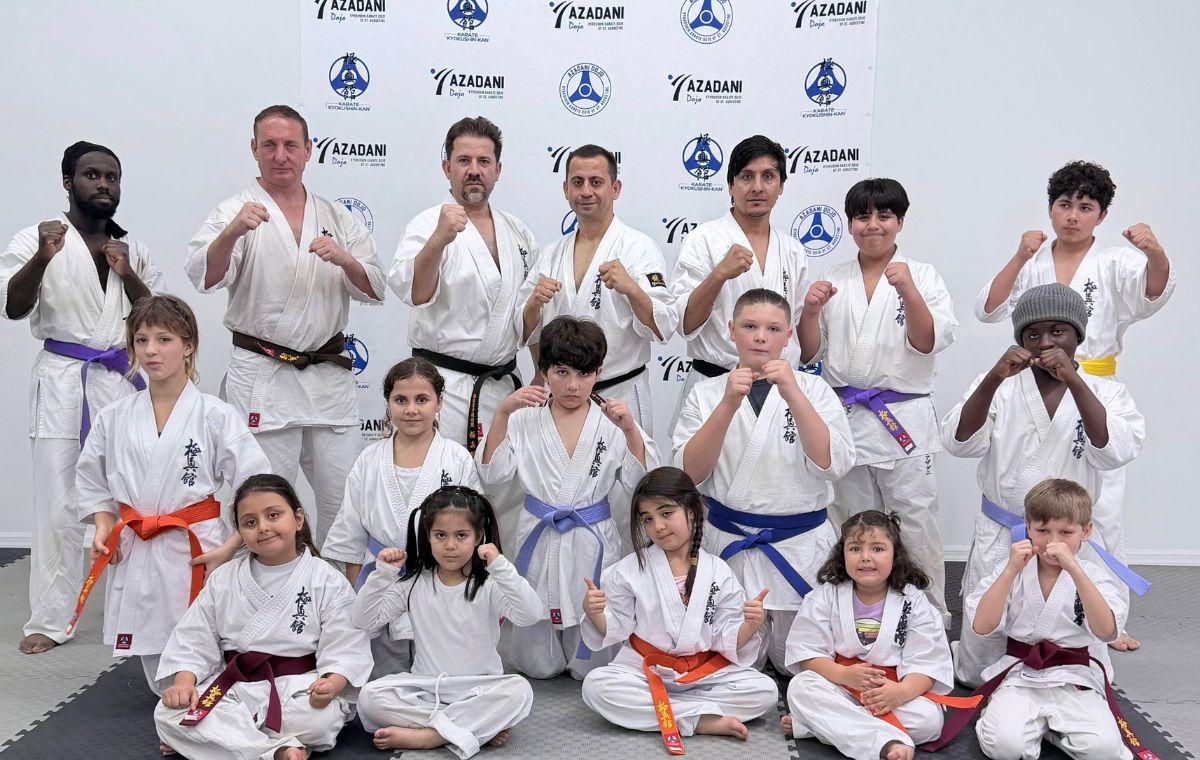
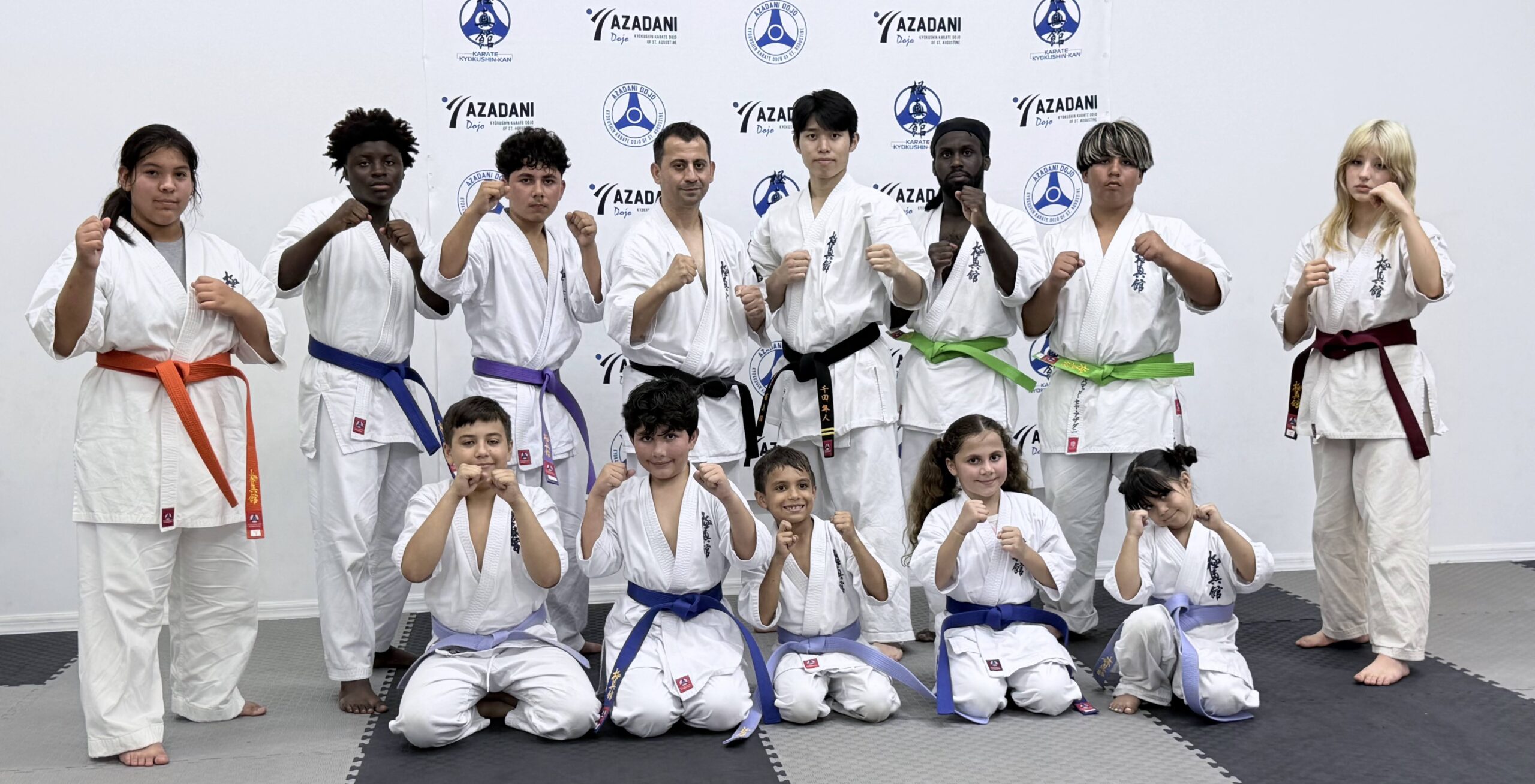
Starting karate can feel exciting, especially when you have been looking for an activity that combines movement, learning, and a sense of progress. It can also bring questions about what the classes will be like. Parents may wonder whether their child will listen, participate, or feel comfortable in a new group. Adult beginners often worry about fitness, coordination, or being the only person who has never trained before.
The best karate classes in St. Augustine for beginners provide clear instruction, manageable challenges, and a welcoming introduction to training. You should have room to learn the basics, ask questions, and become familiar with the routine. Whether you are choosing a program for your child or considering karate yourself, understanding how beginners are supported can help you find a class you look forward to attending.
Why Karate Can Be a Good Starting Point for Beginners
Karate begins with fundamental movements that students continue developing throughout their training. A new student may start by learning where to place their feet, how to hold a basic stance, or how to coordinate a simple technique. These early lessons provide a foundation for more complex movements later, giving beginners a clear place to start without requiring previous martial arts experience.
This approach also makes progress easier to recognize. A movement that initially requires your full attention may become more familiar after practice, allowing you to concentrate on balance, positioning, or control. The instructor can introduce further details as your understanding develops, so learning continues even when you return to a technique you have practiced before.
For someone who enjoys working toward a skill, this process can be rewarding. Each class offers an opportunity to revisit what you know, receive feedback, and take on something new. The experience works best when the teaching gives beginners enough guidance to understand both the exercise and its purpose.
What Makes a Karate Class Welcoming for Beginners?
A class that welcomes beginners should make its instructions accessible to someone with no background in karate. The instructor needs to demonstrate movements clearly, explain unfamiliar terms, and recognize when a student needs another explanation. New students should understand what to attempt without feeling that everyone expects them to know the routine already.
The way corrections are delivered matters just as much. Helpful feedback gives a student something specific to work on, such as adjusting foot placement or slowing down a movement. That makes the next attempt more purposeful and helps beginners see mistakes as part of learning. Firm expectations can work well alongside patience and encouragement.
A familiar class structure also helps newcomers settle in. Once students understand how lessons usually begin, how exercises are introduced, and when to ask questions, they can give more attention to practicing. At Azadani Dojo, structured instruction and an emphasis on fundamentals provide the starting point for students beginning their karate training.
What to Expect in Your First Beginner Karate Class
Your first karate class is an introduction to the dojo, the instructor, and the movements you will begin learning. A lesson may include a warm-up, basic stances, simple punches or kicks, and guided practice. The instructor should explain each exercise and help you understand how to participate at your current level.
Some movements may feel unfamiliar even if you already exercise regularly. Coordinating your hands and feet, remembering a sequence, or maintaining balance in a new stance takes practice. You may need to watch a demonstration more than once or pause to ask a question. These are ordinary parts of starting a physical skill.
By the end of the lesson, you do not need to remember every instruction. A useful first experience gives you a clearer understanding of the class and something to build on when you return. Feeling comfortable asking for help is just as valuable as completing a movement correctly.
Beginner Karate Classes for Kids in St. Augustine
For children, beginner kids karate classes combine physical practice with learning how to participate in a structured group. Children listen to demonstrations, respond to instructions, and practice moving with awareness of the people around them. These activities give them repeated opportunities to work on coordination, attention, and self-control within the lesson.
Early progress may appear in small moments. A child might remember where to stand, follow a short sequence more independently, or feel comfortable asking the instructor for help. Recognizing these steps allows children to feel proud of their effort while they are still developing their technique. Belts can provide longer-term goals, but everyday learning deserves attention too.
Parents should look for explanations and expectations that suit their child’s age and experience. Some beginners join in immediately, while others take time to become comfortable. A patient introduction gives the instructor and family an opportunity to understand what helps the child participate and enjoy the class.
Starting Karate as a Teenager
Teenagers can begin karate without having trained as young children. An older beginner may be interested in the physical challenge, the technical details, or the opportunity to work toward a goal outside school. Learning a martial art gives them a setting where practice and feedback can lead to progress they can recognize for themselves.
A suitable class should introduce teens to the fundamentals while respecting their individual experience and ability. Being older does not mean a student automatically knows how to control a technique or work with a partner. Clear instruction remains important, especially when new exercises require concentration, timing, and coordination.
It also helps when teenagers have a say in choosing the activity. Visiting a lesson and speaking with the instructor allows them to ask questions and decide whether the training appeals to them. Interest in the experience can make regular attendance feel more meaningful.
Adult Beginners Are Welcome in Karate
Adults sometimes postpone starting because they believe they need to be fit before attending a class. Beginner instruction should provide a way to start learning while gradually becoming accustomed to the physical demands. Previous martial arts experience and advanced flexibility are not prerequisites for learning basic techniques.
As an adult beginner, you may find that the learning itself becomes part of the appeal. Paying attention to a movement, responding to a correction, and noticing an improvement gives each lesson a specific focus. Over time, you can develop familiarity with the techniques while working on your conditioning and coordination.
Speak with the instructor about your starting point and any limitations that affect participation. Understanding how exercises are introduced and adjusted can help you approach training with realistic expectations. Your progress should reflect your own practice and circumstances, rather than the experience of someone who has trained for years.
Finding a Local Class You Can Attend Consistently
When comparing karate schools in St. Augustine, FL, consider how each program fits into your everyday routine. Travel time, class schedules, and family commitments can influence whether you attend regularly. A convenient location can make it easier to keep training once the initial excitement becomes part of a normal week.
The people in the class matter too. Notice whether beginners receive attention and whether experienced students behave respectfully toward newcomers. A welcoming group can help you become comfortable practicing, asking questions, and returning after a difficult lesson.
Visiting the school gives you a better sense of these details than relying on a description alone. You can see the class size, observe the instruction, and decide whether the environment suits you or your child.
How Beginners Practice Discipline and Respect
Discipline in karate takes practical forms throughout a lesson. Students listen while the instructor explains, begin and stop exercises when directed, and keep working on movements that need improvement. Following these expectations consistently is part of learning how to train responsibly.
Respect also shapes how students interact. Giving a partner enough space, controlling a movement, and responding constructively to feedback all contribute to a productive class. The instructor’s example is important because students learn from how expectations are explained and how mistakes are handled.
For beginners, these habits develop alongside physical skills. A child may need reminders about taking turns, while an adult may be learning to slow down and practice a technique more carefully. Consistent guidance gives both a clear way to improve.
Understanding Self-Defense and Partner Practice
Some beginners are interested in karate because they want to learn self-defense. It is useful to ask how a school approaches that goal and what beginners actually practice. Responsible instruction should address awareness, avoiding unnecessary conflict, and the limits of physical techniques, alongside learning movements.
Partner work and sparring vary between programs, so discuss them directly with the instructor. Ask how students are introduced to contact, what equipment is required, and how readiness is assessed. Understanding these expectations helps you make an informed choice before participating.
Early training should establish the control and understanding needed for later exercises. Learning a technique in class takes time, and applying it under pressure presents further challenges. A beginner benefits from clear explanations and gradual progression through that process.
How Often Should Beginners Train?
Two classes per week can be a manageable starting routine for many beginners, depending on the program and their circumstances. Returning regularly gives students opportunities to revisit instructions while the movements are still familiar. It also allows the instructor to observe progress and provide ongoing feedback.
The most useful schedule is one you can maintain alongside school, work, rest, and other responsibilities. Ask the instructor what attendance they recommend for your goals, then consider what fits realistically into your week. Starting with a sustainable routine gives you time to understand how training feels before adding more.
Progress will not look identical from lesson to lesson. Some techniques may become familiar quickly, while others require repeated attention. Regular practice allows that learning to develop without making every class a test of how fast you are improving.
Beginning Karate at Azadani Dojo
Azadani Dojo welcomes beginners in St. Augustine with instruction focused on fundamentals, respectful participation, and steady skill development. Children, teens, and adults can begin learning within a structured environment while becoming familiar with the expectations of traditional karate training.
A trial class gives you an opportunity to meet the instructor, experience the teaching, and ask questions about the program. You can consider whether the explanations are clear, the pace feels appropriate, and the schedule works for your household. For parents, it also provides a chance to see how their child responds to the lesson.
Finding the right karate school in St. Augustine, FL begins with understanding the experience you want and seeing how a class supports new students. You can arrive with questions, limited experience, and plenty still to learn. A well-taught beginner class gives you a practical place to start.